
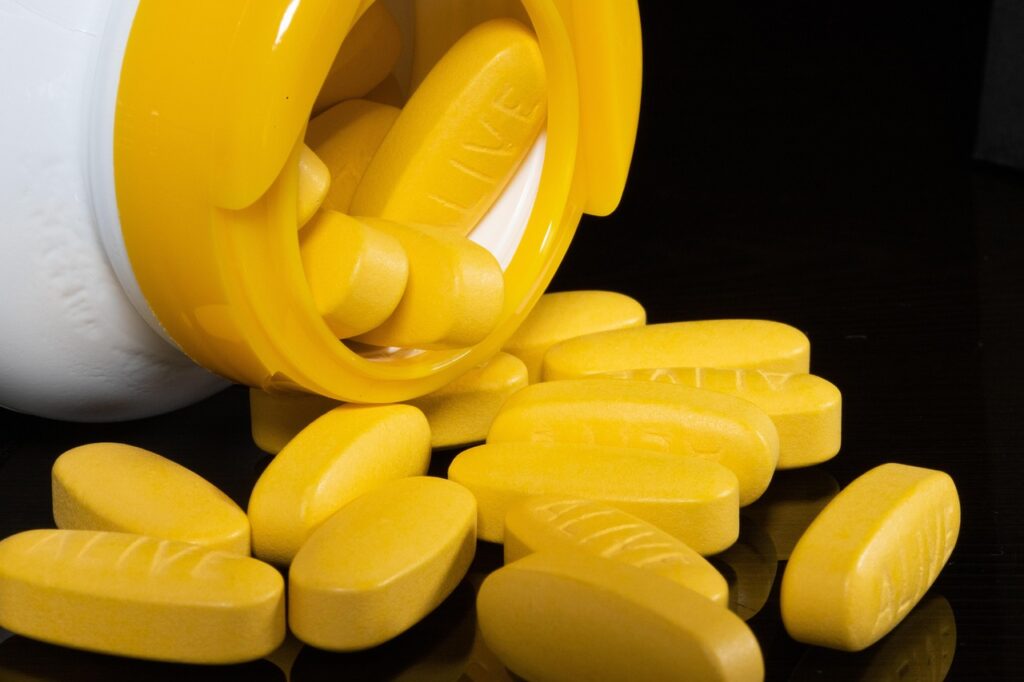
Why Supplements Matter for Your Cat
Not every cat gets everything they need from food alone. Even high quality commercial diets can fall short especially for cats with health issues, older pets, or picky eaters. That’s where supplements step in. They’re not a replacement for solid nutrition, but they can fill critical gaps.
You’ll know something’s off if your cat’s coat looks dull, they’re low on energy, or they start skipping meals. Digestive problems pop up. You notice mood changes, skin issues, or more hairballs than usual. These small signs can point to nutritional imbalances that diet alone might not fix.
A balanced feline diet should include high quality animal protein, essential fatty acids, vitamins like B12, minerals like magnesium and calcium, and amino acids taurine being the big one. But formulas vary, and some cats have higher needs due to age, breed, or health conditions. That’s why targeted supplements are becoming more routine for pet parents who want to stay ahead of issues, not just react to them.
Want to see what makes a cat’s diet truly complete? Check out our feline nutrition guide for a deeper breakdown.
Omega 3 Fatty Acids (Fish Oil)
Fish oil isn’t just hype it’s one of the most effective supplements you can give your cat to support multiple systems at once. Rich in omega 3 fatty acids like EPA and DHA, it benefits the skin and coat, reduces inflammation in joints, and gives your feline’s immune system some extra firepower.
This makes it especially useful for cats battling dry, flaky skin or the soreness that comes with early arthritis. Don’t wait for your cat to limp before acting fish oil can be used preventatively to keep joints limber and skin healthy.
When it comes to dosage, it’s not something to wing. Most vets recommend around 20 55 mg of EPA and DHA combined per pound of your cat’s body weight daily, but exact needs vary. Always check with your vet before starting, especially if your cat is on medication or has other health issues.
Not all fish oil products are created equal. Look for ones labeled as wild caught and molecularly distilled to remove heavy metals. Packaging matters, too dark glass bottles or capsules help prevent oxidation, which kills potency. And skip the flavored stuff cats don’t need artificial additives.
Fish oil can be a simple, powerful upgrade to your cat’s routine just make sure it’s the right kind, in the right amount, with the right routine oversight.
Probiotics
Why Probiotics Matter for Cats
Probiotics play a crucial role in maintaining your cat’s digestive and immune health. Much like in humans, the gut microbiome in cats supports nutrient absorption, defends against harmful bacteria, and influences overall wellness.
Best use cases:
After a round of antibiotics
During or after illness
For cats with chronic digestive issues
What to Look for in a Cat Probiotic
Not all probiotics are created equal. Choosing a formula designed specifically for felines is essential.
Key strains that support gut and immune function:
Lactobacillus acidophilus: aids in digestion and nutrient absorption
Bifidobacterium animalis: supports bowel regularity
Enterococcus faecium: helps restore healthy gut flora
Reading the label carefully ensures that live, active cultures are included at effective dosages.
Powder vs. Capsules: Which is Better?
Cats are picky and getting them to take a supplement can be tricky. The good news is that probiotics come in multiple forms, and some are easier to administer than others.
Form comparison:
Powder: Easily mixed into wet food; ideal for cats that resist pills
Capsules: Can be opened and sprinkled, but may require hiding in treats for palatability
Choosing a format depends on your cat’s preferences and feeding habits.
Always consult your veterinarian before starting probiotics, especially if your cat has ongoing health issues.
Taurine

Taurine isn’t optional it’s essential. Cats need this amino acid for three big reasons: heart health, proper vision, and reproductive function. Without enough taurine, cats can develop dilated cardiomyopathy (a fatal heart condition), retinal degeneration leading to blindness, and even infertility. It’s not one of those nutrients you can just get around to cats can’t synthesize it on their own, so they need it supplied directly through food.
Deficiency usually happens for one of two reasons: the cat’s diet is made up of poorly balanced homemade meals, or they’re eating low quality commercial products that don’t meet AAFCO standards. While most reputable commercial cat foods cover taurine needs especially those labeled as meeting AAFCO’s complete and balanced guidelines it’s always worth double checking the label. Grain heavy or bargain bin formulas? That’s where taurine slips through the cracks.
If you’re feeding home cooked meals, taurine supplementation becomes non negotiable. Otherwise, you’re running the risk of long term, irreversible harm. This is one area where cutting corners isn’t an option and it’s why taurine stays high on the list of must supplement nutrients for any serious feline caretaker.
Vitamin B12 (Cobalamin)
Vitamin B12 is one of those behind the scenes nutrients that keeps your cat running smoothly. It plays a big role in appetite, energy levels, metabolic function, and nerve health. If you’ve got a senior cat or one dealing with gastrointestinal issues like IBD or chronic vomiting B12 levels can take a serious hit. That’s when supplementation stops being optional.
Classic signs of B12 deficiency include weight loss, lethargy, poor appetite, and sometimes even neurological symptoms like weakness or wobbliness. These are red flags, especially if your cat is already fighting a chronic condition. Don’t assume it’ll fix itself B12 isn’t something cats can synthesize well on their own when their gut is out of balance.
When it comes to adding B12, you’ve got two routes: oral supplements or injectable forms. Oral options work well for minor deficiencies or maintenance, but if your cat has absorption problems which is common with GI issues a vet administered injection may be more effective. Ask your vet about methylcobalamin, the active form most easily absorbed by cats. Know your cat’s baseline, and talk through pros and cons before starting a regime.
Vitamin B12 doesn’t work miracles but when it’s missing, the cracks show fast. Use it smartly, and it can be a solid part of your cat’s long term wellness plan.
Lysine
Lysine has long been a go to supplement for immune and respiratory support in cats, especially those dealing with chronic feline herpesvirus (FHV 1). It’s often the first thing vets recommend when a cat starts sneezing, has watery eyes, or shows signs of a flare up. The theory: lysine helps suppress the replication of the herpesvirus, making symptoms less intense and less frequent.
But the science is evolving. Recent studies have cast doubt on just how effective lysine actually is for managing feline herpesvirus. Some research suggests it may help in specific cases, while others argue there’s minimal impact or even potential downsides when overused. Bottom line: lysine isn’t a silver bullet. It might help, especially early on, but it’s not a cure or a long term fix.
If you’re using lysine, timing and consistency matter. It works best at the sign of a flare up or as a preventive during stress heavy periods (travel, vet visits, new pets in the house). Don’t rely on it indefinitely. If symptoms persist, or your cat needs daily supplementation with no improvement, it’s time to get your vet involved again.
Lysine can still be part of your cat’s wellness plan but it should be used with purpose, not habit.
Supporting Long Term Cat Health
Supplements won’t cure disease, and they aren’t a substitute for real medical care but they can be powerful tools in a long game strategy for your cat’s well being. Think of them as reinforcements, not replacements.
That said, don’t go rogue with a handful of pill bottles. Every cat is different, and what works for one might complicate things for another. Always talk to your vet before starting anything new. They’ll know what your cat actually needs and if that trendy supplement you saw online is worth it.
The real win here is staying ahead of problems, not just treating them when they erupt. Being proactive about health nutrients, mobility, digestion, energy pays off in fewer vet visits and better daily quality of life. Start from a solid diet, then layer smartly. Want to dig in deeper? Check out our feline nutrition guide for a deeper dive into what a balanced approach looks like.
 Lyle Fieldstines writes the kind of pet product reviews content that people actually send to each other. Not because it's flashy or controversial, but because it's the sort of thing where you read it and immediately think of three people who need to see it. Lyle has a talent for identifying the questions that a lot of people have but haven't quite figured out how to articulate yet — and then answering them properly.
They covers a lot of ground: Pet Product Reviews, Training Techniques and Guides, Health and Nutrition for Pets, and plenty of adjacent territory that doesn't always get treated with the same seriousness. The consistency across all of it is a certain kind of respect for the reader. Lyle doesn't assume people are stupid, and they doesn't assume they know everything either. They writes for someone who is genuinely trying to figure something out — because that's usually who's actually reading. That assumption shapes everything from how they structures an explanation to how much background they includes before getting to the point.
Beyond the practical stuff, there's something in Lyle's writing that reflects a real investment in the subject — not performed enthusiasm, but the kind of sustained interest that produces insight over time. They has been paying attention to pet product reviews long enough that they notices things a more casual observer would miss. That depth shows up in the work in ways that are hard to fake.
Lyle Fieldstines writes the kind of pet product reviews content that people actually send to each other. Not because it's flashy or controversial, but because it's the sort of thing where you read it and immediately think of three people who need to see it. Lyle has a talent for identifying the questions that a lot of people have but haven't quite figured out how to articulate yet — and then answering them properly.
They covers a lot of ground: Pet Product Reviews, Training Techniques and Guides, Health and Nutrition for Pets, and plenty of adjacent territory that doesn't always get treated with the same seriousness. The consistency across all of it is a certain kind of respect for the reader. Lyle doesn't assume people are stupid, and they doesn't assume they know everything either. They writes for someone who is genuinely trying to figure something out — because that's usually who's actually reading. That assumption shapes everything from how they structures an explanation to how much background they includes before getting to the point.
Beyond the practical stuff, there's something in Lyle's writing that reflects a real investment in the subject — not performed enthusiasm, but the kind of sustained interest that produces insight over time. They has been paying attention to pet product reviews long enough that they notices things a more casual observer would miss. That depth shows up in the work in ways that are hard to fake.