
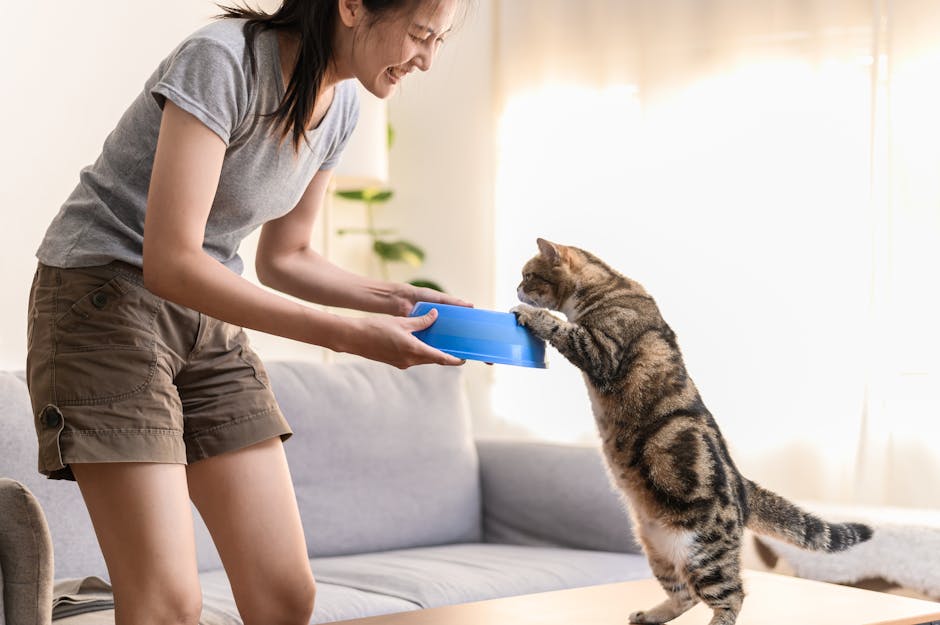
Why Cat Training Actually Works in 2026
Cats have never been untrainable. They’ve just never been dogs and that’s where the myth begins. Unlike dogs, cats aren’t wired to please humans. They’re independent, cautious, and highly motivated by their own interests. That doesn’t mean they can’t learn behaviors, signals, or routines. It just means you have to speak their language.
Modern feline behavior research over the last decade has flipped old assumptions on their head. We now know that cats respond best to positive reinforcement, controlled environments, and sessions tailored to their short attention spans. What once looked like stubbornness is actually a cat’s way of processing a confusing or unrewarding situation.
In 2026, enrichment focused training tools are everywhere and they’re designed to work with a cat’s nature, not against it. We’re talking paw activated puzzle feeders, clicker based platforms, and smart toys synced to behavior apps. Training is less about obedience and more about engagement. The result? A calmer, more confident cat, and a human who’s no longer shouting into the void.
So no, your cat isn’t ignoring you. You’re just overdue for an update in tactics.
Start with the Basics: Motivation and Consistency
Cat training doesn’t work unless you speak your cat’s language and that starts with figuring out what actually motivates them. Hint: it’s not always food. Some cats will sprint across the house for a dab of tuna, sure. But others respond better to toys, affection, or play. The trick is to test a few rewards and observe what earns the most focus and energy. Once you’ve found it, use it sparingly, and only during training. It keeps the reward valuable.
Enter clicker training. It’s as basic as it sounds: a click sound marks the exact moment your cat does something right. Combine that with a reward and repeat consistently, and you’ve got a system that works. Cats start associating behaviors with predictable outcomes which makes learning faster and more reliable. No apps or fancy gear needed.
One more thing: don’t overdo it. Cats aren’t wired for marathon training sessions. Keep things short under five minutes is a good window and train at consistent times. Two or three short sessions a day can build more momentum than an hour once a week. Less is more when your trainee has whiskers and an independence streak.
The goal isn’t drills it’s connection. Training like this gives your cat a sense of control and offers mental stimulation that enriches both of your lives.
Core Behaviors You Can Train Today
Cats can absolutely learn commands if you ask the right way. Start with something simple: calling your cat by name when food is involved. Hold a treat, say their name, and back up a few steps. When they come to you, reward immediately. With repetition and timing, most cats catch on. Pro tip: don’t overuse their name for unrelated stuff. Keep the association tight.
Once that clicks, you can move to sit, stay, and even the elusive high five. Use your clicker or a verbal marker (like “yes!”) and build short behaviors. High five, believe it or not, is often easier than stay cats enjoy pawing things naturally, so shaping that into a trick is just refining instinct.
Now for the big one: stopping destructive scratching and improper bathroom habits. Scratching is normal it’s how cats mark territory and stretch muscles. So instead of punishment, redirect. Put sturdy, vertical scratchers near the couch, reinforce them with catnip, and reward every time your cat uses it. As for the litter box, cleanliness is key. If your cat strays, review the box’s location, type, and frequency of cleaning before assuming it’s defiance.
Carrier and vet trip success comes down to slow desensitization. Leave the carrier out in a calm spot with bedding and treats. Occasionally feed meals near or inside it. The goal is for the carrier to stop being a symbol of panic and become part of the furniture. Add gentle training sessions praise your cat when they go near or enter it.
And if you’re curious about applying similar principles to dogs, check out Crate Training 101: A Step by Step Guide for New Dog Owners.
Socialization and Environment Matter

Training doesn’t happen in a vacuum your cat’s environment plays a major role in how successfully they learn new behaviors. Setting up a supportive, enriching space increases the chances of steady progress and a more confident, receptive cat.
Set Your Cat Up for Success: Enrich the Environment
A thoughtfully arranged home can encourage curiosity, reduce anxiety, and prevent problem behaviors. Consider your cat’s natural instincts and design their space around exploration, safety, and play.
Create vertical territory: Use cat trees, shelving, or window hammocks to satisfy climbing instincts.
Introduce variety in textures and toys: Rotate puzzle feeders, interactive toys, and sensory experiences.
Designate quiet zones: Areas where your cat can retreat help them recharge, building confidence over time.
Allow for safe hiding spots: Cats need a sense of control over their environment to feel secure.
Don’t Overstimulate: Less Is Sometimes More
While stimulation is beneficial, overstimulating your cat with too much sound, movement, or attention can backfire. Cats in a stressed or overstimulated state are less likely to absorb training cues and more prone to reactive behavior.
Watch for signs of overstimulation:
Twitching tails or ears
Sudden biting during petting
Retreating abruptly or vocalizing
If you see these signals, end the session calmly and give your cat space. A calm cat is a teachable cat.
Timing Socialization With Developmental Phases
Kittens are most receptive to socialization between 2 to 7 weeks of age, but that doesn’t mean older cats can’t learn. Understanding the timeline helps you approach training with realistic expectations.
Kittens (2 7 weeks): This is the prime time for positive social exposure.
Juveniles (2 6 months): Ideal for introducing routines like grooming and handling.
Adults: Take it slow, use high value rewards, and build trust first.
Whether you’re introducing new people, environments, or experiences, gradual exposure and positive reinforcement ensure your cat feels safe as they learn.
Training is as much about the setting as it is about the sessions themselves. An enriching, well paced environment creates the foundation for real behavioral breakthroughs.
Advanced Moves for Enthusiastic Cat Parents
Training a cat to follow verbal cues or hand signals isn’t just possible it’s practical. Cats can learn to associate certain words or gestures with specific actions, especially when paired with consistent rewards. Start small. Say “sit” in a steady tone while using a distinct hand motion. Reward immediately. Over time, drop the treat, keep the cue. Repetition and timing are everything.
Agility setups for cats? Not only real they’re growing fast. Think tunnels, jumps, perches, even mini bridges. These setups aren’t just for show. They tap into your cat’s natural instincts to climb, chase, and explore. Setting up a basic agility run in your living room doesn’t take much. PVC pipe, cardboard boxes, sturdy stools DIY goes a long way. Bonus: it turns training sessions into full body workouts.
As for leash training, it’s no longer a fringe hobby. With patience (and the right harness), most cats can be taught to walk on a leash safely. Start indoors. Let them wear the harness without pressure. Then attach the leash and let them drag it while supervised. When they’re comfortable, begin taking short outdoor excursions. Stay calm, avoid crowded places, and let your cat set the pace. It’s a trust exercise, not a power walk.
Avoiding Common Pitfalls
Let’s get this out of the way: punishment doesn’t work the way most people hope it will. Swatting, yelling, spray bottles it might startle your cat, but it doesn’t teach them what you do want. At best, it builds fear. At worst, it can damage the trust you need for long term training success.
If your cat suddenly bolts, hides more, or avoids you entirely, those aren’t signs of a disobedient cat they’re signs of stress. Other red flags include dilated pupils, flattened ears, tail flicking, or over grooming in between sessions. When these behaviors show up, it’s usually your cat saying, “This isn’t working for me.”
So what do you do when a training moment goes sideways? Step back. Take a break. Let your cat reset somewhere calm and familiar. Then come back later with something easy, like a basic trick they already know and enjoy. The goal is to rebuild positive momentum. This isn’t about winning. It’s about rebuilding a connection, calmly and consistently.
Wrapping Up: Training Is Enrichment
Training a cat isn’t about control it’s about connection. Indoor cats, especially, need mental workouts. Without the unpredictability of the outside world, their brains dull faster than you’d think. A few minutes of training each day can switch that up. Clicker drills, object interaction, response to cues all of it helps keep their instincts engaged and their behavior balanced.
More than mental stimulation, training builds trust. Each successful session tells your cat: I’m listening, and I get you. That bond grows over time, and it shows. A well trained cat isn’t necessarily obedient it’s confident. It understands your signals. It feels safe experimenting within the lines you’ve drawn together.
So no, the goal isn’t to raise little feline soldiers. The goal is to create a shared language between two very different species. That’s how trust forms. That’s how confidence grows. That’s how cats and their humans thrive.
 Ask Sue Buschericks how they got into adoption and rescue resources and you'll probably get a longer answer than you expected. The short version: Sue started doing it, got genuinely hooked, and at some point realized they had accumulated enough hard-won knowledge that it would be a waste not to share it. So they started writing.
What makes Sue worth reading is that they skips the obvious stuff. Nobody needs another surface-level take on Adoption and Rescue Resources, Health and Nutrition for Pets, Animal Behavior Insights. What readers actually want is the nuance — the part that only becomes clear after you've made a few mistakes and figured out why. That's the territory Sue operates in. The writing is direct, occasionally blunt, and always built around what's actually true rather than what sounds good in an article. They has little patience for filler, which means they's pieces tend to be denser with real information than the average post on the same subject.
Sue doesn't write to impress anyone. They writes because they has things to say that they genuinely thinks people should hear. That motivation — basic as it sounds — produces something noticeably different from content written for clicks or word count. Readers pick up on it. The comments on Sue's work tend to reflect that.
Ask Sue Buschericks how they got into adoption and rescue resources and you'll probably get a longer answer than you expected. The short version: Sue started doing it, got genuinely hooked, and at some point realized they had accumulated enough hard-won knowledge that it would be a waste not to share it. So they started writing.
What makes Sue worth reading is that they skips the obvious stuff. Nobody needs another surface-level take on Adoption and Rescue Resources, Health and Nutrition for Pets, Animal Behavior Insights. What readers actually want is the nuance — the part that only becomes clear after you've made a few mistakes and figured out why. That's the territory Sue operates in. The writing is direct, occasionally blunt, and always built around what's actually true rather than what sounds good in an article. They has little patience for filler, which means they's pieces tend to be denser with real information than the average post on the same subject.
Sue doesn't write to impress anyone. They writes because they has things to say that they genuinely thinks people should hear. That motivation — basic as it sounds — produces something noticeably different from content written for clicks or word count. Readers pick up on it. The comments on Sue's work tend to reflect that.