
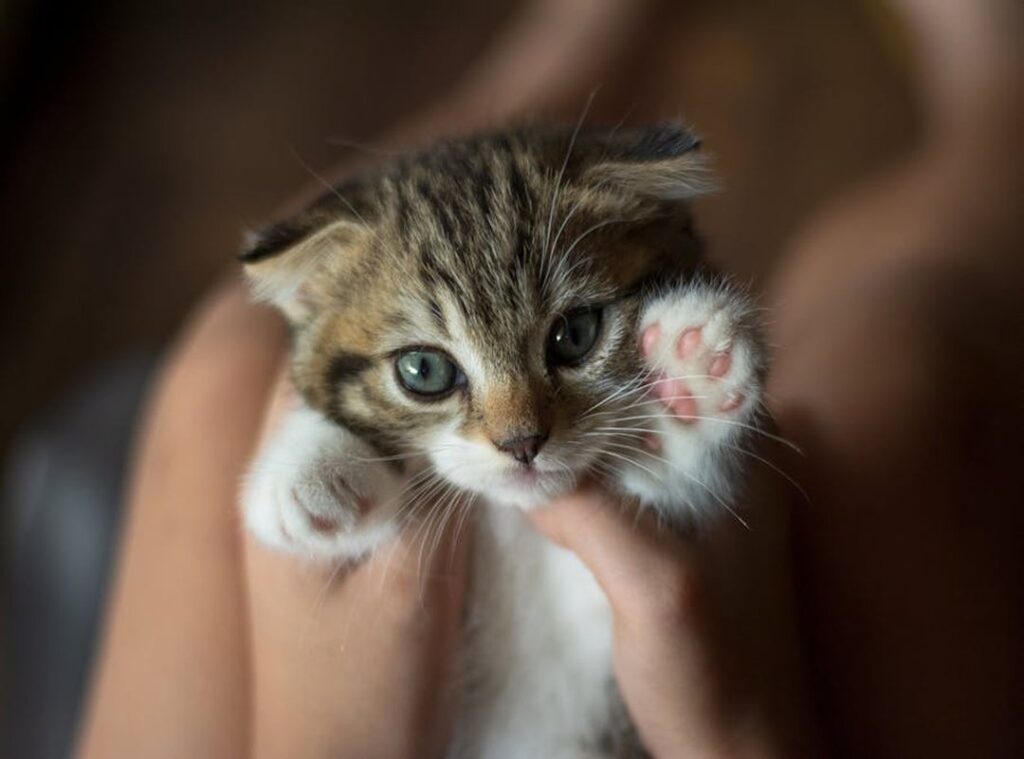
You just brought home a kitten.
And now your brain is spinning. Did I buy the right food? Is that litter box big enough?
Why is she hiding under the couch?
I’ve been there. More times than I can count.
Most new kitten owners don’t need more advice. They need clarity. Right now.
This Infoguide for Kittens Llblogpet gives you exactly what works (no) guessing, no overload.
I’ve guided hundreds of people through those first two weeks. Seen every panic moment. Fixed every avoidable mistake.
You won’t find fluff here. Just steps. Clear ones.
In order.
Feed her. Clean up. Watch for red flags.
Bond without burning out.
That’s it.
No theory. No jargon. No “maybe try this.”
Just what to do. And when.
You’ll finish this and actually feel ready.
Step 1: Get Your House Ready (Not) Perfect, Just Safe
I set up the room before the kitten arrived. Not after. Not “when I get around to it.” Before.
This guide helped me skip the panic. You’ll want that too.
Start with a safe room. One quiet bedroom or bathroom. No traffic.
No dogs. No toddlers. Just walls, a door you can close, and everything the kitten needs.
You need a carrier (soft-sided works best for first trips), ceramic or stainless bowls (no plastic. It smells weird to them), unscented clumping litter, and a low-entry box. Skip the fancy automatic ones.
They scare kittens.
Food? Stick with what the breeder or shelter used. Sudden changes cause diarrhea.
I learned that the hard way.
Kitten-proofing isn’t about perfection. It’s about removing obvious traps. Tape down cords.
I go into much more detail on this in Pet Advice Llblogpet.
Move lilies and philodendrons out of reach (they’re toxic). Stash cleaning supplies under the sink. Not on the counter.
Check under furniture for rubber bands, hair ties, string.
That tiny ribbon you love? It’s a gut obstruction waiting to happen.
Your kitten won’t explore the whole house on day one. Good. Let them settle in their safe room for 48. 72 hours.
Let them hear your voice. Let them smell your socks on their bed.
They’re not broken if they hide. They’re doing exactly what they should.
Infoguide for Kittens Llblogpet covers this step in more depth. But honestly? Just do these six things first.
Then open the door. Slowly.
Step 2: Nutrition. What Your Kitten Actually Needs to Eat
I feed kittens like they’re tiny athletes. Because they are.
They need more protein than adult cats. Nearly double. Not just any protein.
Animal-based. Chicken, turkey, fish. Plant protein won’t cut it.
Their bodies also demand taurine, arachidonic acid, and vitamin A (all) missing from human food or poorly balanced kibble.
Wet food? Yes. It’s 70 (80%) water.
That helps prevent urinary crystals (a real problem I’ve seen in dehydrated kittens). Dry kibble? Fine for crunch (but) it’s not hydrating.
And no, it doesn’t clean teeth like ads claim. Tartar builds up under the gumline, not on the surface.
So I mix them. Two-thirds wet, one-third dry. Served separately.
Not mixed together (they’ll pick out the wet and leave the dry).
Here’s what I do:
- 8. 12 weeks: 4 small meals a day
- 3. 6 months: 3 meals
Skip free-feeding. Kittens don’t self-regulate calories. They gain weight fast (and) that extra fat sticks around.
Water must be fresh. Always. Not next to the food bowl.
Cats avoid water near food (evolutionary thing). Put it across the room. Use a wide ceramic bowl.
Not plastic (it holds odor).
Foods to avoid:
- Onions and garlic (they destroy red blood cells)
- Chocolate (theobromine is toxic)
- Grapes and raisins (kidney failure risk)
- Dairy (most kittens are lactose intolerant by 8 weeks)
That “kitten milk” sold at pet stores? Skip it. It’s unnecessary if they’re eating proper food.
The Infoguide for Kittens lays this out plainly (no) fluff, no guessing.
You’re not raising a mini-adult cat. You’re raising a developing carnivore with zero margin for error.
Feed like you mean it.
First Vet Visit: Don’t Wait
I booked my kitten’s first vet visit the same day I brought her home. Not next week. Not after I “got settled.” Same day.
You should too. Schedule it within 72 hours (not) seven days. That first week is key.
Kittens hide illness. Fast.
Here’s what happens at that first check-up:
- A full physical exam (yes, they’ll poke and prod)
- Core vaccines (FVRCP, maybe rabies depending on age)
- Deworming. Almost every kitten has roundworms
- A talk about flea/tick prevention (no, over-the-counter drops aren’t safe)
You’ll get paperwork. You’ll get questions. You’ll get told to watch for lethargy or diarrhea.
(Spoiler: if your kitten stops eating for more than 12 hours, call the vet. Don’t wait.)
Want a quick gut-check? Here’s what healthy looks like:
- Eyes clear and bright (no goop or squinting)
- Ears clean and odor-free
- Nose damp but not crusty or dripping
- Energy to pounce on your shoelaces
- Appetite strong enough to steal your lunch
Spaying or neutering? Do it at four to five months, not six or later. Waiting increases surgical risk and behavioral issues.
I’ve seen too many “just one more heat cycle” turn into spraying, howling, or an accidental litter.
Oh (while) you’re researching care, check out the Infoguide for Birds Llblogpet if you ever expand your flock. It’s solid.
And don’t skip the Infoguide for Kittens Llblogpet. It’s got the vaccine schedule laid out plain.
That first visit isn’t just routine. It’s your kitten’s first real safety net. Show up ready.
Step 4: Socialization, Play, and Litter Box Training

I’ve watched too many cats grow up skittish because no one touched them before week 8.
Socialization isn’t optional. It’s the foundation. Handle your kitten gently (two) minutes at a time, every day.
Let them hear the vacuum (from across the room), feel a towel under their paws, smell your coffee mug. Not all at once. One thing.
You’re not building a circus performer. You’re building trust.
Then pause.
Toys? Skip the plastic junk that sheds microplastics. Use wand toys.
Small felt balls. A cardboard box with holes cut in it. That’s it.
Interactive play matters more than you think. Five minutes twice a day beats thirty minutes once. Why?
Because kittens need you. Not just movement (they) need to chase you, respond to your voice, learn your rhythm.
Litter box training is simpler than people make it.
Put them in the box after eating. After napping. After playing.
That’s it. No praise. No punishment.
Just consistency.
Accidents happen. Usually because the box is dirty. Or it’s next to the washer.
You can read more about this in Llblogpet Advice for Dogs by Lovelolablog.
Or there’s only one box for two cats.
Litter box location matters more than litter brand.
Stress causes accidents. So does pain. If your kitten suddenly stops using the box, check with a vet before blaming behavior.
This isn’t about perfection. It’s about noticing patterns (and) adjusting.
If you want clear, no-nonsense steps on all of this, this guide walks through each piece without fluff.
You’ve Got This
I’ve seen too many people panic the first time a kitten zooms up a curtain. Or stares blankly at a food bowl. Or hides under the bed for two days.
That stress? It’s avoidable.
You just covered home setup, nutrition, health, and socialization. That’s not busywork. That’s how you skip the chaos.
Infoguide for Kittens Llblogpet gave you the real stuff (not) fluff, not guesswork.
Now go enjoy every purr, pounce, and cuddle. You’re ready for this.
Still nervous? Open the guide again. It’s there.
Right where you need it.
 Ask Sue Buschericks how they got into adoption and rescue resources and you'll probably get a longer answer than you expected. The short version: Sue started doing it, got genuinely hooked, and at some point realized they had accumulated enough hard-won knowledge that it would be a waste not to share it. So they started writing.
What makes Sue worth reading is that they skips the obvious stuff. Nobody needs another surface-level take on Adoption and Rescue Resources, Health and Nutrition for Pets, Animal Behavior Insights. What readers actually want is the nuance — the part that only becomes clear after you've made a few mistakes and figured out why. That's the territory Sue operates in. The writing is direct, occasionally blunt, and always built around what's actually true rather than what sounds good in an article. They has little patience for filler, which means they's pieces tend to be denser with real information than the average post on the same subject.
Sue doesn't write to impress anyone. They writes because they has things to say that they genuinely thinks people should hear. That motivation — basic as it sounds — produces something noticeably different from content written for clicks or word count. Readers pick up on it. The comments on Sue's work tend to reflect that.
Ask Sue Buschericks how they got into adoption and rescue resources and you'll probably get a longer answer than you expected. The short version: Sue started doing it, got genuinely hooked, and at some point realized they had accumulated enough hard-won knowledge that it would be a waste not to share it. So they started writing.
What makes Sue worth reading is that they skips the obvious stuff. Nobody needs another surface-level take on Adoption and Rescue Resources, Health and Nutrition for Pets, Animal Behavior Insights. What readers actually want is the nuance — the part that only becomes clear after you've made a few mistakes and figured out why. That's the territory Sue operates in. The writing is direct, occasionally blunt, and always built around what's actually true rather than what sounds good in an article. They has little patience for filler, which means they's pieces tend to be denser with real information than the average post on the same subject.
Sue doesn't write to impress anyone. They writes because they has things to say that they genuinely thinks people should hear. That motivation — basic as it sounds — produces something noticeably different from content written for clicks or word count. Readers pick up on it. The comments on Sue's work tend to reflect that.