
Subtle Signs Your Pet’s Behavior Is Seasonal
When the seasons shift, so do animals and they’re not subtle about it if you’re paying attention. Pets may not need sweaters or iced tea, but their bodies and brains react to changes in daylight, temperature, and routine just like ours.
Increased Sleep During Colder Months: Is It Normal or Something More?
More naps in winter? That’s not laziness it’s biology. Shorter days and colder temps tell your dog’s or cat’s body to slow down. Metabolism slows, activity levels dip, and sleep ramps up. In most cases, it’s normal and nothing to panic over. But if your pet is zonked out for most of the day, skipping meals, or refusing to play, it might be more than just the winter blues. Ruling out issues like thyroid imbalances or seasonal affective disorder (yes, animals can get it too) is worth a vet visit.
Summer Restlessness: Understanding Heat Related Stress
Come summer, pets often switch gears. Dogs pace more, pant harder, and cats seek out the coolest corners of the house. Increased irritability, disrupted sleep, and resistance to physical activity can all be signs of heat stress. High humidity makes it worse. The fix can be as simple as altering your walk schedule (early morning or late evening), keeping water bowls full, or investing in cooling pads. Don’t mistake overheating for extra energy.
Appetite Fluctuations in Spring and Fall
Spring and fall can mess with appetite too. Dogs might eat less during hotter days, while colder snaps can trigger hunger spurts in both cats and dogs. Hormonal shifts, breeding instincts, and daylight duration all play a part. As long as weight remains steady and energy’s good, it’s usually fine. If your pet’s food intake swings wildly, or if they lose interest in treats, check in with your vet.
Indoor vs. Outdoor Pets: Behavioral Contrasts as Seasons Shift
Indoor pets live in climate controlled comfort, but they still sense seasonal changes. You may see more window gazing, sudden zoomies, or nocturnal restlessness. Outdoor pets, or those with unrestricted yard access, can become more territorial in spring and fall or retreat during heavy winter cold. Keeping routines stable feeding times, play schedules can smooth out behavior shifts. And remember: even indoor pets need seasonal mental stimulation.
Seasonal changes impact all pets differently. The key is to notice patterns, track their timing, and adapt care accordingly. Because what looks like a quirk could be your pet’s way of saying: something’s different.
What Science Says in 2026
Seasonal changes don’t just mess with your own energy pets are in the same boat. New research in 2026 is backing it up. Studies now link shifts in daylight length directly to changes in animal mood, including signs of lethargy, irritability, and altered sleep cycles. Pets, especially those that spend a lot of time indoors, feel the impact when days get shorter or longer. It’s not just anecdotal anymore. Sunlight exposure plays a key role in regulating hormones like melatonin and serotonin, which affect temperament in both humans and animals.
Breed matters, too. Some northern breeds, like Huskies or Malamutes, seem to thrive in cooler, darker months, while short haired or southern breeds may get thrown off more easily by sudden weather shifts. Small dogs and cats with lean builds tend to retreat more during the cold months. Meanwhile, high energy breeds can become overstimulated in summer heat, leading to restlessness or even behavior issues.
At the root of it all are circadian rhythms those internal clocks that sync to nature’s timeline. When seasons shift, those clocks can fall out of alignment. Just like us dealing with jet lag after daylight savings, pets may act out when that rhythm tips too far. Feeding time, bathroom habits, and activity levels can all be affected. The science says it’s real. And the more we recognize it, the better we can help them ride out the changes.
How to Adapt Your Routine

As daylight stretches or collapses with the seasons, your pet’s schedule needs a reality check. Walks that felt perfect in the early evening may suddenly happen in pitch black. Shorter days call for earlier outings or reflective gear and a flashlight if you’re walking after sunset. Cold mornings? Some dogs need a coat before stepping outside. Heat ramping up? Keep walks short, shade plentiful, and paws off hot pavement.
Playtime indoors becomes more important when it’s too dark or too cold to roam outside comfortably. Your goal: consistency. Keep interactive toys in rotation, create mini obstacle courses in the living room, and don’t underestimate how mentally draining a good treat puzzle can be.
Then there’s the thermostat. Pets sensitive to cold like short haired dogs or senior cats may need warmer indoor temps. A safe guideline: keep it above 68°F. In hotter weather, aim for ventilation and easy access to cool, shaded spots. For brachycephalic breeds or thick coated dogs, a fan or AC isn’t a luxury, it’s a lifeline.
Bottom line? Flex with the seasons, but stick to a rhythm. Daylight comes and goes but your pet’s need for movement and connection doesn’t.
Grooming Matters with the Seasons
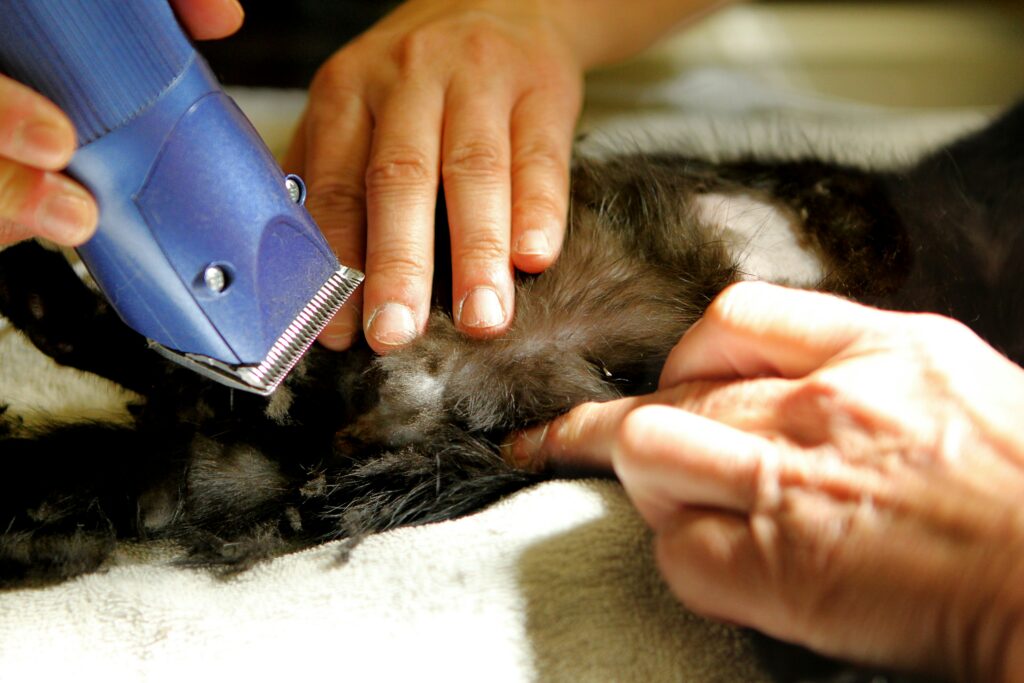
Your pet’s coat isn’t just for looks it’s their first line of defense against the elements. And just like the weather, it changes. Most dogs and cats go through shedding cycles twice a year, usually in spring and fall. That’s when they’re swapping out last season’s coat for something better suited to what’s coming. You’ll notice more hair on your furniture, clothes, and probably in your coffee. Don’t panic that’s normal. What matters is brushing regularly to help the process along and cut down on matting and tangles.
But grooming isn’t just about fur. Seasonal shifts can hit your pet’s skin hard. Dry winter air can lead to itchy, flaky skin, while summer’s humidity may trigger hot spots or fungal flare ups, especially with long haired or thick coated breeds. Keep an eye out for excessive scratching, head shaking, or redness. A simple switch in shampoo or adding a humidifier indoors might ease a lot.
Managing it all is easier with a plan. Check out 10 Essential Grooming Tips Every Pet Parent Should Know for solid advice on staying ahead of the season, from coat care to paw balm. Grooming isn’t just cosmetic it’s part of keeping your pet happy, comfortable, and healthy all year long.
When Changes Signal Trouble
Not all seasonal behavior shifts are harmless. While many are benign reactions to temperature or daylight changes, some can be warning signs that your pet is struggling more than usual. The key is to know what’s typical and when to act.
Red Flags to Watch For
If your pet suddenly exhibits any of the following behaviors, it’s time to pay closer attention:
Unexplained aggression If your usually calm pet starts snapping, growling, or guarding food or space, it could signal stress or discomfort.
Increased hiding A noticeable retreat from social interaction, even with family members, may indicate anxiety or pain.
Excessive vocalization Barking, whining, or meowing more than usual, especially during nighttime, might hint at disorientation or distress.
Call the Vet, or Wait It Out?
Some changes pass quickly. Others don’t. Here’s how to gauge your next move:
Call a vet if:
The behavior change is sudden and severe
Physical symptoms (vomiting, limping, excessive shedding) accompany the behavior
The issue persists for more than a few days without improvement
Wait and monitor if:
The behavior is mild and aligns with a change in weather or routine
Your pet is still eating, drinking, and playing normally
You can attribute it to something specific, like fewer walks or colder weather
In borderline cases, a quick consult via tele vet services can help put your mind at ease.
Track it to Understand it
A behavioral journal can be a pet parent’s best friend during seasonal shifts. Use it to log behavior changes alongside dates, weather patterns, and any changes in your routine.
What to include:
Date and time of behavior change
Specific symptoms (e.g., pacing, lack of appetite, barking at night)
Environmental changes (temperature drops, holiday visitors, etc.)
This simple tool can help you and your vet find patterns and decide on the best course of action.
Sometimes, a small detail in your notes is all it takes to understand what your pet is telling you.
Helping Pets Stay Balanced All Year
When the weather flips, your pet’s mood might follow. That’s where seasonal enrichment comes in. Don’t overthink it. For dogs, this could be a rotation of indoor toys, snuffle mats, or puzzle feeders when walks get rained out. For cats, consider adding vertical spaces, scent based toys, or even chilled treats in the summer. It’s about variety without chaos.
Diet matters too. Just like humans, pets can benefit from nutrition that supports mood regulation. Omega 3s, B vitamins, and high quality protein help. If your pet seems off their game lethargic in winter, jittery in spring having a vet take a look at their diet can be a game changer.
As for calming tools, keep it simple and sensory. A white noise machine near the crate. A cozy bed next to a sunny window. A calm inducing diffuser with vet approved oils like lavender or chamomile. These things don’t fix everything, but they can soften the edges. Think of them as background support for all the daily little routines that keep your furry companion steady.
Stay aware. Small adjustments can make a big difference. Your pet’s seasonal quirks are normal until they’re not. Knowing the difference will keep tails wagging year round.
 Ask Sue Buschericks how they got into adoption and rescue resources and you'll probably get a longer answer than you expected. The short version: Sue started doing it, got genuinely hooked, and at some point realized they had accumulated enough hard-won knowledge that it would be a waste not to share it. So they started writing.
What makes Sue worth reading is that they skips the obvious stuff. Nobody needs another surface-level take on Adoption and Rescue Resources, Health and Nutrition for Pets, Animal Behavior Insights. What readers actually want is the nuance — the part that only becomes clear after you've made a few mistakes and figured out why. That's the territory Sue operates in. The writing is direct, occasionally blunt, and always built around what's actually true rather than what sounds good in an article. They has little patience for filler, which means they's pieces tend to be denser with real information than the average post on the same subject.
Sue doesn't write to impress anyone. They writes because they has things to say that they genuinely thinks people should hear. That motivation — basic as it sounds — produces something noticeably different from content written for clicks or word count. Readers pick up on it. The comments on Sue's work tend to reflect that.
Ask Sue Buschericks how they got into adoption and rescue resources and you'll probably get a longer answer than you expected. The short version: Sue started doing it, got genuinely hooked, and at some point realized they had accumulated enough hard-won knowledge that it would be a waste not to share it. So they started writing.
What makes Sue worth reading is that they skips the obvious stuff. Nobody needs another surface-level take on Adoption and Rescue Resources, Health and Nutrition for Pets, Animal Behavior Insights. What readers actually want is the nuance — the part that only becomes clear after you've made a few mistakes and figured out why. That's the territory Sue operates in. The writing is direct, occasionally blunt, and always built around what's actually true rather than what sounds good in an article. They has little patience for filler, which means they's pieces tend to be denser with real information than the average post on the same subject.
Sue doesn't write to impress anyone. They writes because they has things to say that they genuinely thinks people should hear. That motivation — basic as it sounds — produces something noticeably different from content written for clicks or word count. Readers pick up on it. The comments on Sue's work tend to reflect that.