
Know Your Family’s Lifestyle
Before you fall in love with the first wagging tail or big soulful eyes you see, take a hard look at your day to day life. How much time can you realistically give to feeding, walking, playing, or even just hanging out with a pet? If you’re barely home between work, school runs, and late night errands, a high energy dog might not be the best fit.
Think about your household members, too. Young kids, seniors, or anyone with mobility issues all factor into the decision. Some pets aren’t ideal for toddlers; others may be too boisterous for older adults. The sweet spot is a pet that feels like a teammate in your routine, not a full time job.
Energy matters yours and the animal’s. A chill older cat might be perfect for a slower paced home. A border collie? Not so much. Try to match your family’s activity level with a pet who naturally fits into that rhythm. You don’t want a frustrated dog chewing furniture or a bored cat attacking ankles out of spite.
Understand Species and Breed Traits
The type of pet you bring home should fit your life not just your wishlist. Dogs thrive in homes with space, structure, and regular interaction. If you live in an apartment or work long hours, a high energy dog will struggle. Cats are more self contained. They can adapt better to quiet or compact living but still need stimulation and strong caregiver bonds.
Then there are smaller pets rabbits, guinea pigs, ferrets. Great for those with limited space or allergies, but they’re not zero maintenance. Their enclosures need to be kept clean, and some (like rabbits) require social time and mental engagement just like bigger animals.
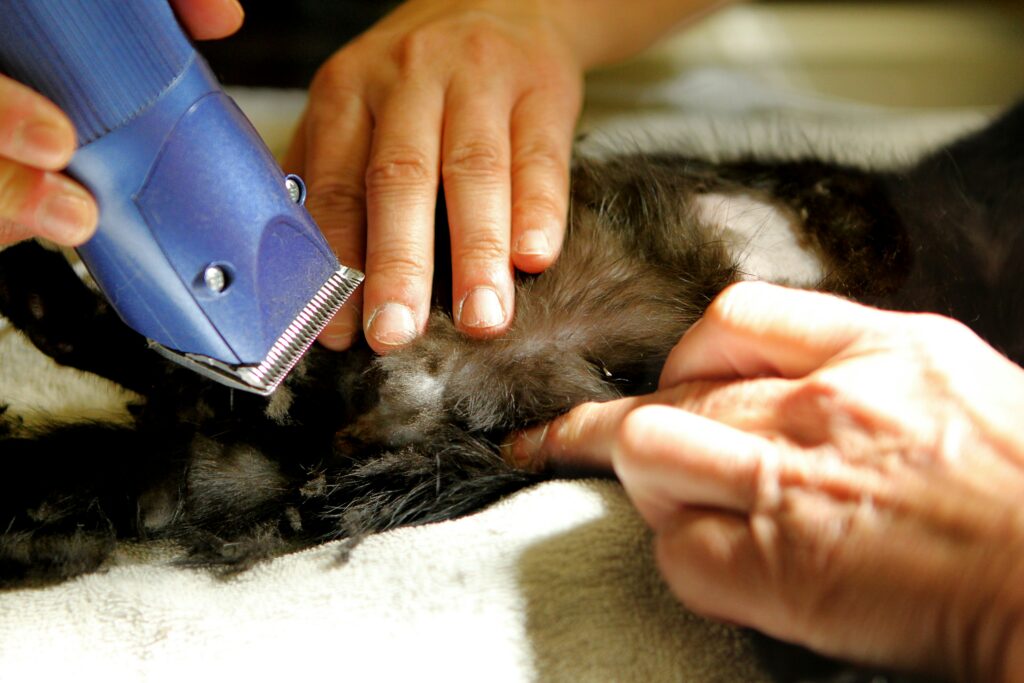
Size matters too. A 90 pound rescue Lab might be sweet as pie, but if you’ve got steep stairs, toddlers, or a small car, it could be a mismatch. Grooming is another often overlooked detail. Long haired breeds need regular brushing, baths, and trims. Short haired ones might be less work, but shedding can still be real.
Temperament is a wildcard, but some patterns help. Many rescue pit bulls are loyal and gentle, especially with proper training. Chihuahuas can be loving, but tend to be wary of strangers or boisterous kids. Huskies are beautiful but come with big energy and escape artist tendencies. Bottom line: Know the tendencies, but meet the individual.
Don’t just choose with your heart. Choose with your head and your space in mind. The right pet won’t just fit into your home it’ll thrive in it.
Think Long Term, Not Just Cute Now
Choosing a rescue pet is more than falling in love with a cute face. It’s about making a thoughtful, long term commitment that fits both your lifestyle and your ability to meet the animal’s future needs. Before you say yes to a new companion, consider the following:
Consider Lifespan and Long Term Care
Lifespan matters: Cats can live 15 20 years, while some dog breeds live 10 15 years or more. Smaller pets like rabbits and guinea pigs also have variable lifespans.
Plan for the future: Are you prepared to care for a pet through different life stages moves, job changes, kids growing up?
Budget realistically: Veterinary bills, food, grooming, and preventive care can add up, especially for senior pets or breeds prone to health conditions.
Be Ready for Time and Energy Commitment
Daily care adds up: Walks, feeding, grooming, and play are non negotiable.
Emotional investment: Pets form deep attachments and depend on your attention and companionship.
Your lifestyle matters: If you travel often or work long hours, you’ll need a solid plan for your pet’s care.
Training and Behavioral Support Are Ongoing
Socialization is key: Especially for shelter animals who may not have had early positive experiences.
Expect setbacks: Even well behaved rescues may need time to adjust to a new environment.
Commit to learning: Whether it’s basic obedience or addressing anxiety, training is part of the journey.
Choosing the right pet means thinking beyond the moment. A good fit today should still feel right years from now. Planning ahead can ensure a loving, lifetime bond that works for both your family and your new pet.
Visit Local Shelters and Rescues
No amount of online browsing can replace meeting an animal face to face. When possible, visit local shelters or schedule meet and greets with foster homes. Watch how the animal reacts to new people, sounds, and surroundings. Sometimes, the quiet ones light up with the right human. Sometimes, the excited jumpers calm down with a steady presence. That spark of connection you’ll know it when you feel it matters more than a cute photo or a clever bio.
Don’t be shy about asking questions. Where did the animal come from? Have they lived with children or other pets? Are there signs of stress, fear, or aggression in certain situations? Shelter staff and foster volunteers usually have honest, detailed insights into how the animal behaves day to day.
Also, keep in mind: animals can act very differently in a shelter than they do in a home. Stress, noise, and confinement can bring out behaviors that disappear in a calm, stable environment. Ask if there’s foster home info available. A cat who hides in a kennel might be stretched out on a couch elsewhere. The goal isn’t just to find a pet it’s to find your pet.
Talk to Adoption Counselors

Adoption counselors play a key role in making sure rescue pets are placed into homes where they will thrive. These specialists are not just administrators they’re trained to understand both the animal’s history and your lifestyle so they can help you make the best match.
Why Speak With an Adoption Counselor?
Tailored Matching: Counselors use their knowledge of the pet’s personality and needs to pair them with suitable families.
Reducing Returns: With the right fit from the start, the chances of a pet being returned to the shelter drop significantly.
Ongoing Support: Many shelters offer post adoption support through their counseling teams.
Be Honest and Transparent
Your lifestyle, background, and expectations play a huge role in the success of a new pet adoption. Adoption counselors can only help if they have the full picture.
Share any past pet experience or lack thereof
Describe your living space: apartment, house, yard access, etc.
Be open about the time and energy you can commit to training or activity
What They’ll Want to Know
Ages of household members (especially children or elderly relatives)
Work or travel schedules that impact supervision time
Existing pets and how well they socialize with others
Being honest about these factors ensures the pet you adopt is more likely to adjust well, feel safe, and become a lifelong part of your family. Work together with adoption staff as trusted guides not gatekeepers to find the perfect fit, not just the first available option.
Prepare Your Home Before Adopting
Before your new pet ever steps paw inside, get your space ready. Start with a dedicated area somewhere calm, contained, and away from heavy traffic. A quiet room or a gated corner works. This gives your rescue pet a safe landing zone, especially during the first few days when everything feels unfamiliar.
Now tackle supplies. Basics first: food and water bowls, the right food, bed, crate or carrier, toys, litter box (if you’re adopting a cat), leash and collar, ID tags, cleaning products, and a vet approved first aid kit. You don’t need to blow your budget just have the essentials ready.
Next: secure your environment. Triple check that fences close and latch. Remove toxic plants, exposed wires, and anything fragile or chewable that’s at risk. Indoors, keep doors that lead outside shut tight. Think like a four legged escape artist, and plan accordingly.
Finally, loop in the family. Everyone should know their role. Who’s on feeding duty? Who walks the dog or scoops the litter? Set boundaries early: pets need space, especially from curious kids. Explain routines, and remind everyone that patience goes a long way. Rescue pets need consistency and calm more than chaos and cuddles.
The smoother the setup now, the softer the transition later.
Start With the Basics
Adopting a rescue pet isn’t complicated, but it’s no walk in the park either. Before you fall in love with those big brown eyes online, understand the process. Most shelters and rescues will ask you to fill out an application first basic stuff like your living situation, household dynamics, and pet history. Once approved, there’s usually a meet and greet, possibly a home check, and then the paperwork.
Expect adoption fees. They typically cover vaccinations, microchipping, spay or neuter surgery, and sometimes a starter kit. It’s not pocket change, but it beats the unexpected medical bills that come with “free” pets. Also, different rescues have different requirements some need vet references, some ask about landlord approval, others may want a fenced yard.
Knowing how it all works saves you from surprises. If you’re new to this, start with this no fluff guide on pet adoption basics. It lays the groundwork so you walk in prepared not overwhelmed.
Final Filters Before You Decide
This is where you step back and take a hard look. It’s easy to fall for a cute face or a sad backstory but rescue adoption isn’t just about saving a life. It’s about improving two lives: theirs and yours. So ask yourself honestly does this pet really fit your household, your schedule, and your long term ability to give them what they need?
One good way to get more clarity is to consider adopting from a foster based rescue. Pets in foster homes often come with more knowns behavioral tendencies, quirks, how they respond to kids or other animals. That kind of information cuts down guesswork and leads to stronger, safer matches.
And remember, patience and time are required especially in the early days. Rescue pets might come with trauma, habits, or a steep learning curve. But if you commit and stay the course, you won’t just have a pet. You’ll have a companion who made it because you showed up.
Make It a Lifelong Bond
Bringing a rescue pet home is a big step but it’s only the start. Real success comes after the paperwork, when the daily work begins. Training isn’t optional it’s how you build communication and trust. Health care is another constant, from routine vet visits to emergency checkups. Enrichment matters too mentally and physically. Whether it’s puzzle toys, daily walks, or just quiet time together, every pet needs engagement to thrive.
This isn’t about perfection. It’s about patience, effort, and showing up every day. The reward? When the match is right, rescue pets don’t just fit in they transform lives. Families grow closer. Loneliness fades. And that once overlooked animal becomes the heart of the home. That’s the power of choosing right and loving fully.
 Ask Sue Buschericks how they got into adoption and rescue resources and you'll probably get a longer answer than you expected. The short version: Sue started doing it, got genuinely hooked, and at some point realized they had accumulated enough hard-won knowledge that it would be a waste not to share it. So they started writing.
What makes Sue worth reading is that they skips the obvious stuff. Nobody needs another surface-level take on Adoption and Rescue Resources, Health and Nutrition for Pets, Animal Behavior Insights. What readers actually want is the nuance — the part that only becomes clear after you've made a few mistakes and figured out why. That's the territory Sue operates in. The writing is direct, occasionally blunt, and always built around what's actually true rather than what sounds good in an article. They has little patience for filler, which means they's pieces tend to be denser with real information than the average post on the same subject.
Sue doesn't write to impress anyone. They writes because they has things to say that they genuinely thinks people should hear. That motivation — basic as it sounds — produces something noticeably different from content written for clicks or word count. Readers pick up on it. The comments on Sue's work tend to reflect that.
Ask Sue Buschericks how they got into adoption and rescue resources and you'll probably get a longer answer than you expected. The short version: Sue started doing it, got genuinely hooked, and at some point realized they had accumulated enough hard-won knowledge that it would be a waste not to share it. So they started writing.
What makes Sue worth reading is that they skips the obvious stuff. Nobody needs another surface-level take on Adoption and Rescue Resources, Health and Nutrition for Pets, Animal Behavior Insights. What readers actually want is the nuance — the part that only becomes clear after you've made a few mistakes and figured out why. That's the territory Sue operates in. The writing is direct, occasionally blunt, and always built around what's actually true rather than what sounds good in an article. They has little patience for filler, which means they's pieces tend to be denser with real information than the average post on the same subject.
Sue doesn't write to impress anyone. They writes because they has things to say that they genuinely thinks people should hear. That motivation — basic as it sounds — produces something noticeably different from content written for clicks or word count. Readers pick up on it. The comments on Sue's work tend to reflect that.