Why Pets Chew in the First Place
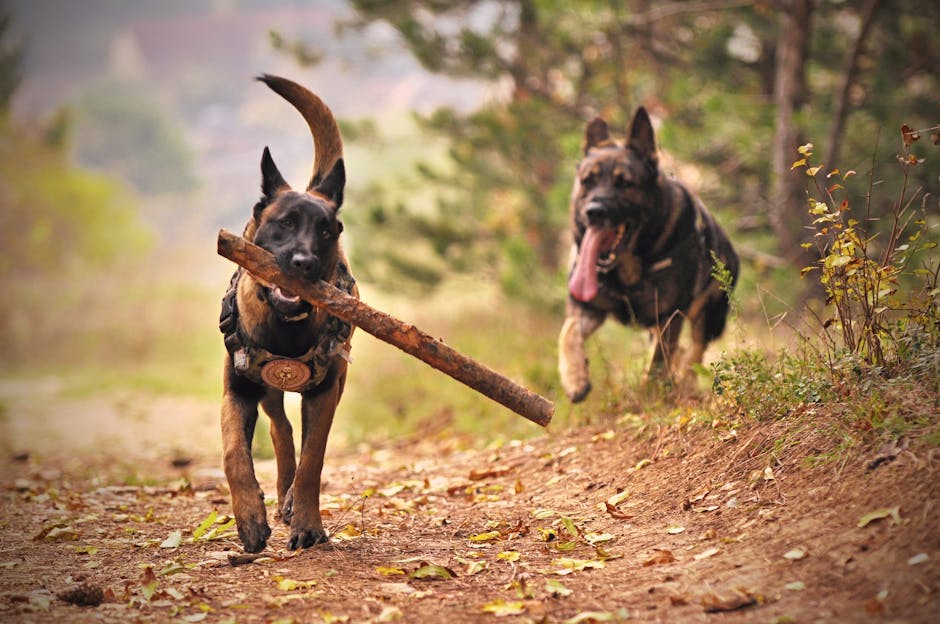
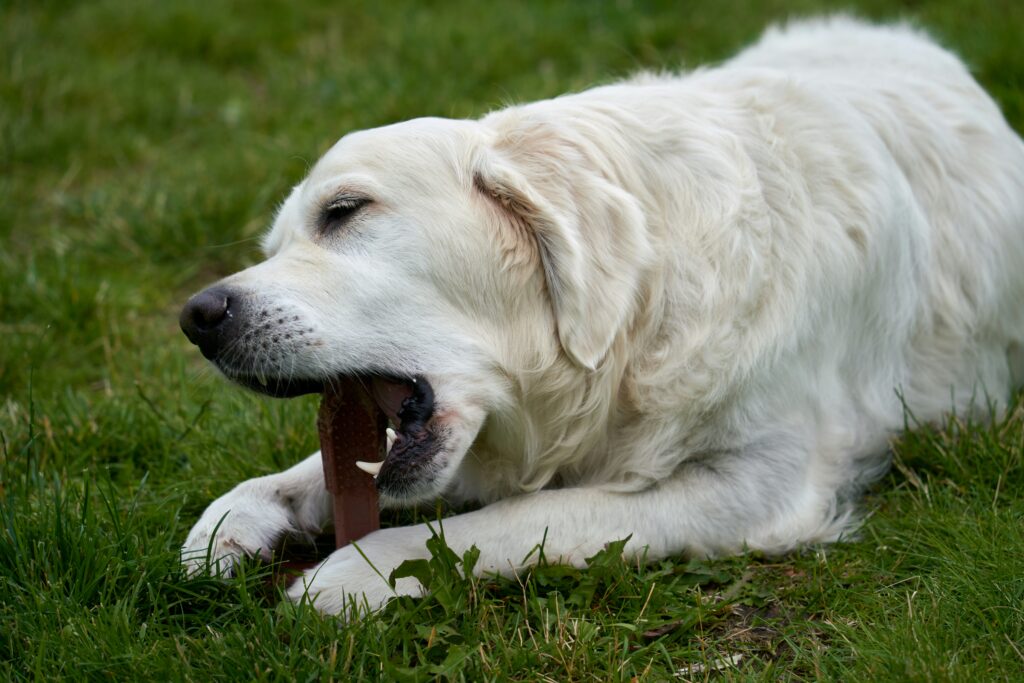
Chewing is as natural to animals as barking, meowing, or sniffing around. It’s how they explore their world, soothe sore gums (especially in puppies and kittens), and release pent up stress. From teething babies to bored adult pets, the urge to chew isn’t always a sign of bad behavior it’s often just instinct in action.
Puppies and kittens are the usual suspects, but don’t rule out grown animals. Adult dogs, for example, may suddenly take to chewing when they’re under stimulated, anxious, or lacking in structure. The same goes for indoor cats that don’t get enough playtime or stimulation.
The trick is knowing when chewing shifts from harmless to harmful. A pet nibbling at a toy or gently mouthing a scratchy blanket? Normal, even healthy. But shredding couch cushions, gnawing power cords, or tearing through shoes? That tells you the behavior is tipping into something else usually boredom, anxiety, or the need for better boundaries. Spotting the difference early helps you step in before habits form or damage piles up.
Identify the Triggers
Understanding why your pet chews is the first and most important step in correcting the behavior. Not all chewing is created equal, and identifying the root cause can help you respond with the right solution.
Boredom: The Restless Chewer
When pets don’t get enough physical or mental stimulation, they tend to chew to fill the void. This is especially common in high energy breeds or intelligent animals who crave engagement.
Lack of exercise leads to pent up energy that seeks an outlet
Monotonous environments can increase destructive behaviors
Solution: Daily walks, enriching playtime, and rotating toys help meet stimulation needs
Separation Anxiety: Stress on Repeat
Some pets chew as a response to being left alone. This stress induced chewing is usually accompanied by other signs like whining, pacing, or excessive salivation.
Common in rescues or pets with sudden schedule changes
Often focused on items that carry their guardian’s scent (shoes, pillows)
Solution: Gradual alone time training, durable comfort toys, or calming aids can help reduce anxiety
Poor Training or Inconsistent Boundaries
If pets haven’t been properly taught what’s okay to chew, they’re likely to assume anything is fair game. Human inconsistency only adds confusion.
Mixed signals (sometimes tolerating, sometimes scolding) hinder learning
Young animals need structured guidance and repetition
Solution: Clear rules, consistent redirection, and group training accountability (everyone in the home follows the same plan)
Medical Reasons: When Chewing Signals Pain
Chewing isn’t always behavioral sometimes it’s a response to dental pain or nutritional gaps.
Teething in puppies and kittens causes soreness and discomfort
Dental disease or oral injuries can prompt excessive mouth use
Nutrient deficiencies may result in unusual oral behaviors
Solution: Schedule regular vet checkups and explore any sudden increase in chewing that seems out of character
Pinpointing the cause of chewing helps you choose the most effective intervention ensuring a happier, healthier pet in the long run.
Redirect, Don’t Punish
When pets chew the wrong thing, it’s not personal it’s instinct. Punishment doesn’t teach them anything useful. What does work? Redirection. Trade out the off limits item (your shoe, the remote, that electrical cord) for something they’re allowed to chew. The key isn’t just tossing any old toy in their direction it’s about having options that are actually interesting.
Go for chew toys with different textures, sounds, and even flavors. Some pets like rubber. Others go for rope or plush. Mix it up. Rotate their toy selection every few days so nothing becomes boring background noise. A tired toy won’t compete with the thrill of chewing the corner of your couch.
Consistency Is Key
Correction only works if it’s immediate. If you wait, the lesson’s lost. When you catch them mid chew, use a calm but firm “No,” and then hand over the approved chew item. Praise them when they go for the right thing. That mental switch “this is fine, that’s not” only flips with repetition.
Also, everyone in your household needs to be on the same page. Mixed messages confuse pets. Make sure boundaries, cues, and responses are the same across the board. Dogs and cats thrive on patterns. Create one that works in your favor.
Use Deterrents Wisely
Sometimes, making your stuff less appealing helps speed up the learning curve. Bitter sprays meant for pets can add a harmless, nasty taste to furniture legs or cables. Just test first some pets don’t care, and others get curious.
Physical barriers also help create “no chew” zones. Baby gates, crates, and pet pens keep temptation out of reach, at least while the chewing habit gets rewired.
Positive Reinforcement Works
When they chew the right thing, make a moment out of it. A short round of praise or a tiny treat reinforces good habits. Pets repeat what works.
Training in quick, focused bursts also helps. A basic “leave it” command goes a long way when consistently practiced. Keep sessions short and upbeat.
Ultimately, you want chewing to connect with reward not reprimand. That’s where things start to stick.
Environmental Fixes

Before you try to correct chewing, make sure you’re not making it too easy for your pet to mess up. Start by removing temptation. Shoes gone. Remote controls off the couch. Electrical cords tucked away or covered. If it’s within reach and looks fun to chomp, assume it’s fair game.
Next, tackle the real root: stress and boredom. Your pet needs outlets. That means daily walks (yes, even in bad weather), interactive play, and a rotating mix of toys that actually engage them. Stuff they can tug, chase, or dig into. Keep it fresh. Don’t let the toy box turn into background noise.
When you’re not around for long stretches, get creative. Puzzle feeders aren’t just trendy they give your pet a task. Or try leaving on pet specific music or a calm video stream. Some pets genuinely relax with a bit of background noise and visual movement. A quiet home can feel empty fast fill the void before they fill it with destruction.
Don’t Forget: Each Pet Is Unique
No two pets chew for the exact same reasons, and they won’t all respond to correction the same way. A dog may chew from boredom, while a cat might shred simply for stimulation. Some exotic animals, like ferrets or parrots, might nibble out of instinct or even anxiety. So copying and pasting advice rarely works.
Instead, learn their patterns. Watch what triggers the chewing time of day, specific items, certain environments. Is it right after you leave for work? Only with soft toys? Trial and error helps, but so does patience. You’re not trying to dominate your pet; you’re trying to understand the why behind the behavior.
Get comfortable being observant. Subtle cues in body language go a long way in addressing the root cause. Once you identify the need behind a chew comfort, stress relief, boredom you can redirect it effectively.
Cats present their own puzzle. For more in depth cat behavior insight, check out Training Cats Yes, It’s Possible. Here’s How.
When to Consult a Vet or Behaviorist
Sometimes, chewing isn’t just a quirky habit it’s a red flag. If your pet’s behavior starts to spiral into obsessive chewing, escalates over time, or involves self harm (like gnawing until they bleed), it’s time to stop guessing. That’s beyond boredom or typical stress. It’s potentially medical, neurological, or psychological.
You’ve tried redirecting. You’ve kept things consistent. You’ve rotated chew toys and managed the environment. If, after 4 6 weeks, nothing shifts or the problem worsens, it’s not a training issue anymore it’s a health or behavior case. Professionals can dig deeper into underlying causes that a basic checklist just can’t cover.
Veterinarians will rule out pain, allergies, or nutritional deficiencies. Certified animal behaviorists can create structured plans tackling everything from anxiety triggers to compulsive disorder. What they offer isn’t one size fits all it’s tailored, and that makes a difference.
Being proactive means knowing when the DIY stops and expert help starts. If your gut says something’s off, listen to it.
 Elviana Zolmuth has opinions about pet care tips and advice. Informed ones, backed by real experience — but opinions nonetheless, and they doesn't try to disguise them as neutral observation. They thinks a lot of what gets written about Pet Care Tips and Advice, Training Techniques and Guides, Pet Product Reviews is either too cautious to be useful or too confident to be credible, and they's work tends to sit deliberately in the space between those two failure modes.
Reading Elviana's pieces, you get the sense of someone who has thought about this stuff seriously and arrived at actual conclusions — not just collected a range of perspectives and declined to pick one. That can be uncomfortable when they lands on something you disagree with. It's also why the writing is worth engaging with. Elviana isn't interested in telling people what they want to hear. They is interested in telling them what they actually thinks, with enough reasoning behind it that you can push back if you want to. That kind of intellectual honesty is rarer than it should be.
What Elviana is best at is the moment when a familiar topic reveals something unexpected — when the conventional wisdom turns out to be slightly off, or when a small shift in framing changes everything. They finds those moments consistently, which is why they's work tends to generate real discussion rather than just passive agreement.
Elviana Zolmuth has opinions about pet care tips and advice. Informed ones, backed by real experience — but opinions nonetheless, and they doesn't try to disguise them as neutral observation. They thinks a lot of what gets written about Pet Care Tips and Advice, Training Techniques and Guides, Pet Product Reviews is either too cautious to be useful or too confident to be credible, and they's work tends to sit deliberately in the space between those two failure modes.
Reading Elviana's pieces, you get the sense of someone who has thought about this stuff seriously and arrived at actual conclusions — not just collected a range of perspectives and declined to pick one. That can be uncomfortable when they lands on something you disagree with. It's also why the writing is worth engaging with. Elviana isn't interested in telling people what they want to hear. They is interested in telling them what they actually thinks, with enough reasoning behind it that you can push back if you want to. That kind of intellectual honesty is rarer than it should be.
What Elviana is best at is the moment when a familiar topic reveals something unexpected — when the conventional wisdom turns out to be slightly off, or when a small shift in framing changes everything. They finds those moments consistently, which is why they's work tends to generate real discussion rather than just passive agreement.