
Morning Movement Matters
Start the day by getting your pet moving 15 to 30 minutes of activity makes a measurable difference. For dogs, that usually means a walk, a quick game of fetch, or tug with a favorite toy. It doesn’t have to be complicated, just consistent. Don’t skip it.
Indoor cats need their version of this too. Cat trees, chase toys, or a few minutes with the laser pointer will do the job. Even five minutes of focused play can stimulate their hunting instincts and burn energy.
Why does this matter? Morning movement isn’t just about fitness. Active pets are less likely to develop anxiety, gain excess weight, or act out from boredom. One small routine shift can prevent bigger behavior or health issues down the road. Keep it simple. Keep it daily.
Mealtime Consistency
Establishing a steady feeding routine can make a big difference in your pet’s overall health. Just like humans, pets thrive when their internal clocks align with predictable eating habits.
Why Timing Matters
Feeding your pet at the same times every day does more than prevent begging or misbehavior it helps:
Regulate metabolism
Prevent gastrointestinal upset
Foster a sense of security, especially in anxious animals
Portion Control = Weight Control
Measuring your pet’s food isn’t about being strict it’s about being smart. Even small overeating habits can lead to obesity and health issues over time.
Use a measuring cup avoid free feeding
Adjust portions as pets age or if activity levels change
Monitor weight monthly to catch upward trends early
Choose Quality, Not Just Quantity
High quality food supports better digestion, energy, and longevity. Prioritize:
Age appropriate formulas (puppy, adult, senior)
Foods with whole ingredients and minimal fillers
Consulting your vet to match nutritional needs with breed, weight, and health goals
Treats: Less is More
Treats can be great for training and bonding, but moderation matters.
Treats should make up no more than 10% of your pet’s daily caloric intake
Opt for healthy, vet approved treats and avoid table scraps
Use part of your pet’s meal ration for training to keep them within calorie limits
A balanced, consistent feeding routine keeps your pet energized, well regulated, and protected from preventable health problems.
Hydration Checks Throughout the Day
Water isn’t optional it’s a lifeline. Make sure your pet always has access to clean, fresh water, no exceptions. Refill bowls regularly and keep them away from food debris or sunlight, which can make the water less appealing.
For cats, who’re often picky about hydration, pet fountains can make a real difference. The constant movement draws their interest and encourages them to drink more often. Dogs benefit too, especially active breeds or those in warmer climates.
Pay attention to how much they’re drinking. Sudden changes either way aren’t just quirks. Increased thirst could mean kidney issues or diabetes. A drop in intake might suggest pain, stress, or dehydration. Hydration’s not glamorous, but it’s one of the clearest daily signals you’ll get about your pet’s health. Don’t ignore it.
Daily Grooming Habits

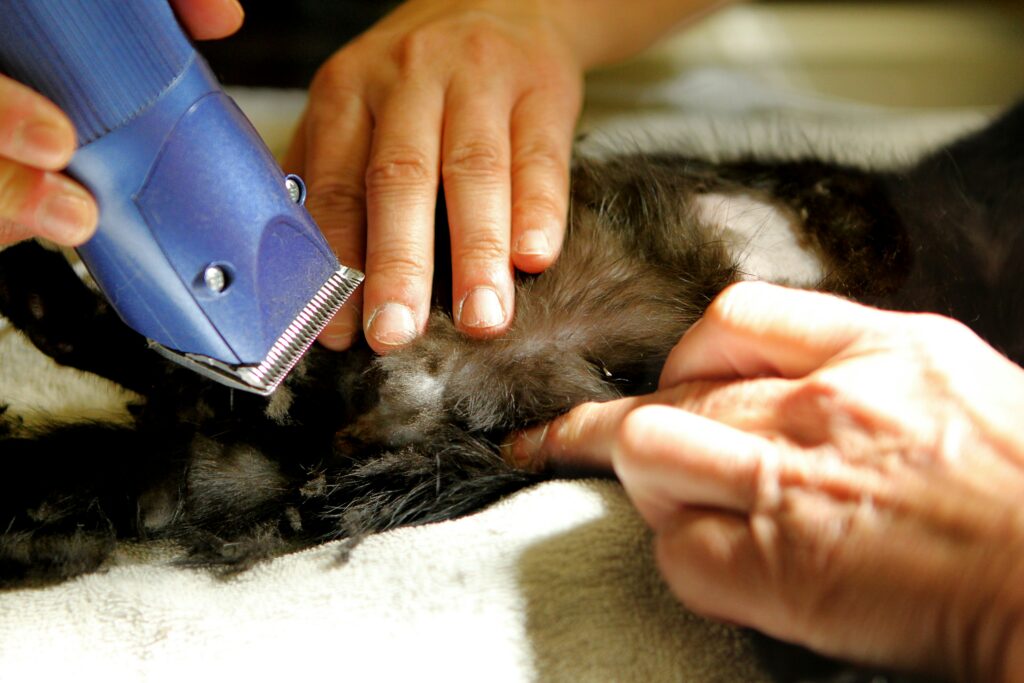
Grooming isn’t just about looking clean it’s daily maintenance for long term health. Brushing your pet each day helps reduce shedding, keeps coats smooth, and lets you catch skin issues like bumps, dryness, or parasites early, before they turn into something serious.
After walks, a quick paw wipe can go a long way. It clears away dirt, pollen, and chemical irritants that pets might track back inside or end up licking later. Especially in winter, when de icing salts are on sidewalks, a rinse or wipe becomes essential.
Dental hygiene matters more than most owners realize. Aim for daily brushing yes, even for cats. If that’s not realistic, find vet approved dental chews or rinses. Gum disease can lead to bigger health issues, and prevention is easier (and cheaper) than treatment.
Nails get overlooked, but regular checks and trims can prevent injury and joint strain. Long nails throw off how pets walk, slowly causing posture and mobility issues. Even if you’re not trimming yourself, keeping an eye on length helps you know when it’s time to call in a groomer or vet.
Mental Stimulation is Crucial
Physical activity alone doesn’t cut it. Pets need mental workouts too something to chew on beyond kibble and squeaky toys. Start simple with puzzle feeders at breakfast or dinner. They slow down eating, engage the brain, and give your pet a problem to solve instead of just inhaling food. That tiny challenge can make a big difference in reducing boredom based behaviors.
Don’t let toys become furniture. Rotate them weekly. A toy your dog or cat ignored last month might suddenly become their favorite again. Novelty keeps things interesting, and interest keeps them mentally active.
Keep training short and sharp. Five minute sessions to practice old tricks or learn new ones are more effective than trying to cram in a marathon obedience class. Use their meal portions as rewards no need to overdo the treats.
Mental enrichment isn’t a luxury it’s a daily necessity. When pets are stimulated, they’re less anxious, more confident, and a lot less destructive. A sharp brain supports a calm, happy animal. Smart pets make fewer messes. Simple as that.
Quality Time & Observation
Health starts with presence. Making time each day to sit, play, or simply be with your pet isn’t a luxury it’s maintenance. These intentional moments help you build trust, but they also train your eyes. You’ll start to spot the quiet stuff: a limp that wasn’t there yesterday, a mood that’s off, a sudden change in pace during walks.
This kind of attention gives you a baseline. When something shifts sluggish movement, unusual restlessness, less appetite you’ll catch it sooner. And with most health issues, early is better. Faster treatment usually means fewer vet visits, less stress for your pet, and way lower costs.
So make observation part of the routine. Watch how they move. Listen to how they settle. Know what normal looks like so you’ll know when it’s not.
Wind Down & Sleep Hygiene
Just like people, pets thrive on rhythm. Setting and sticking to a consistent bedtime makes a big difference. Dogs and cats start to anticipate wind down time, which helps signal the body it’s time to rest. That predictability supports healthier sleep patterns and better overall behavior.
Create a sleep friendly space. Quiet, low light areas work best. If your pet sleeps in a crate or separate room, keep it calm and distraction free no flashing lights from TVs, no noisy appliances. Comfort matters too: a supportive bed or blanket goes a long way.
Avoid evening habits that rev them up. Late night roughhousing, surprise meals, or loud play can spike their energy and disrupt the calm you’re trying to build. Keep it mellow in the final hour of the day, and your pet is more likely to rest soundly and wake up ready to go.
Planning for the Unexpected
Routine isn’t just about doing the same thing every day it’s also about being ready when things go sideways. Pets can’t tell you something’s wrong, so track the little cues. A simple pet health journal, updated weekly, can help you catch changes early: appetite dips, mood shifts, altered sleep. These notes can make your next vet visit a lot more productive.
Preparation is part of the routine, too. An emergency kit should be a non negotiable. Basic meds, a copy of vet records, portable water bowls, an extra leash, a few days’ worth of food these are the things you’ll be glad you have but hope you never need.
And if travel is baked into your lifestyle, take it seriously. Don’t assume your pet will be fine on the go. Here’s a solid checklist to get ahead of the curve: Traveling with Pets: Safety Tips and Preparation Guide
Make routine your superpower in 2026 healthy habits every day drive long, vibrant lives for your pets.
 Elviana Zolmuth has opinions about pet care tips and advice. Informed ones, backed by real experience — but opinions nonetheless, and they doesn't try to disguise them as neutral observation. They thinks a lot of what gets written about Pet Care Tips and Advice, Training Techniques and Guides, Pet Product Reviews is either too cautious to be useful or too confident to be credible, and they's work tends to sit deliberately in the space between those two failure modes.
Reading Elviana's pieces, you get the sense of someone who has thought about this stuff seriously and arrived at actual conclusions — not just collected a range of perspectives and declined to pick one. That can be uncomfortable when they lands on something you disagree with. It's also why the writing is worth engaging with. Elviana isn't interested in telling people what they want to hear. They is interested in telling them what they actually thinks, with enough reasoning behind it that you can push back if you want to. That kind of intellectual honesty is rarer than it should be.
What Elviana is best at is the moment when a familiar topic reveals something unexpected — when the conventional wisdom turns out to be slightly off, or when a small shift in framing changes everything. They finds those moments consistently, which is why they's work tends to generate real discussion rather than just passive agreement.
Elviana Zolmuth has opinions about pet care tips and advice. Informed ones, backed by real experience — but opinions nonetheless, and they doesn't try to disguise them as neutral observation. They thinks a lot of what gets written about Pet Care Tips and Advice, Training Techniques and Guides, Pet Product Reviews is either too cautious to be useful or too confident to be credible, and they's work tends to sit deliberately in the space between those two failure modes.
Reading Elviana's pieces, you get the sense of someone who has thought about this stuff seriously and arrived at actual conclusions — not just collected a range of perspectives and declined to pick one. That can be uncomfortable when they lands on something you disagree with. It's also why the writing is worth engaging with. Elviana isn't interested in telling people what they want to hear. They is interested in telling them what they actually thinks, with enough reasoning behind it that you can push back if you want to. That kind of intellectual honesty is rarer than it should be.
What Elviana is best at is the moment when a familiar topic reveals something unexpected — when the conventional wisdom turns out to be slightly off, or when a small shift in framing changes everything. They finds those moments consistently, which is why they's work tends to generate real discussion rather than just passive agreement.