Understand Your Pet’s Unique Needs
Not all pets want the same thing. A senior golden retriever and a hyperactive cockatiel have wildly different needs and your home should reflect that. Comfort for one species, breed, or age group won’t suit another.
Start with the basics: species, breed, age, size, and any known health conditions. A young kitten may crave vertical climbing space, while an elderly dog needs orthopedic support and easy floor access. Short nosed breeds often require cooler zones with good airflow. Rabbits need stress free, enclosed spaces with room to stretch. It’s not cookie cutter living.
The surefire way to figure it out? Watch them. Your pet’s habits tell you everything. Where do they nap? What do they avoid? Over time, those daily choices reveal what makes them feel safe, calm, and at home. Build around that. Comfort starts with observation and a little bit of trial and error.
Choose the Right Location in Your Home
Where your pet sleeps, rests, or hangs out shouldn’t be an afterthought. The location of their space has more to do with behavior and wellbeing than most people realize. Low traffic areas spaces where people aren’t constantly walking through help reduce overstimulation. Pets, like people, need an off switch sometimes.
Avoid placing beds or crates near loud appliances like washing machines, TVs, or refrigerators. These background sounds might be tolerable to you, but they can stress animals out. Same goes for spots near exterior doors or drafty hallways those quick temperature swings? Not ideal.
One underrated bonus? Natural light. A little filtered sunlight can work wonders for mood and circadian balance, for both cats who like to sunbathe and dogs who enjoy watching the world go by. Just be sure there’s also a shaded spot so they can cool off when they need to.
Invest in Proper Bedding and Furniture
Comfort starts with where your pet sleeps and in 2026, there are more options than ever. Orthopedic beds, once a luxury, are now easier on your wallet and easier to find. Designed especially for aging joints and achy backs, these beds give older pets a better shot at quality rest and less stiffness in the morning.
If your dog tends to run hot or your cat always avoids anything fuzzy, elevated or cooling beds can be game changers. They keep airflow moving and body temps down especially in warmer climates or during summer months. No high tech setup required, just smart design doing its job.
Worried about furniture damage or hygiene issues? Safe furniture covers and pet specific couches are becoming more mainstream. They’re built tough, wash easily, and don’t look like eyesores. The goal isn’t just clean it’s creating shared spaces where you and your pet can truly relax, together.
Maintain a Clean, Allergen Free Zone
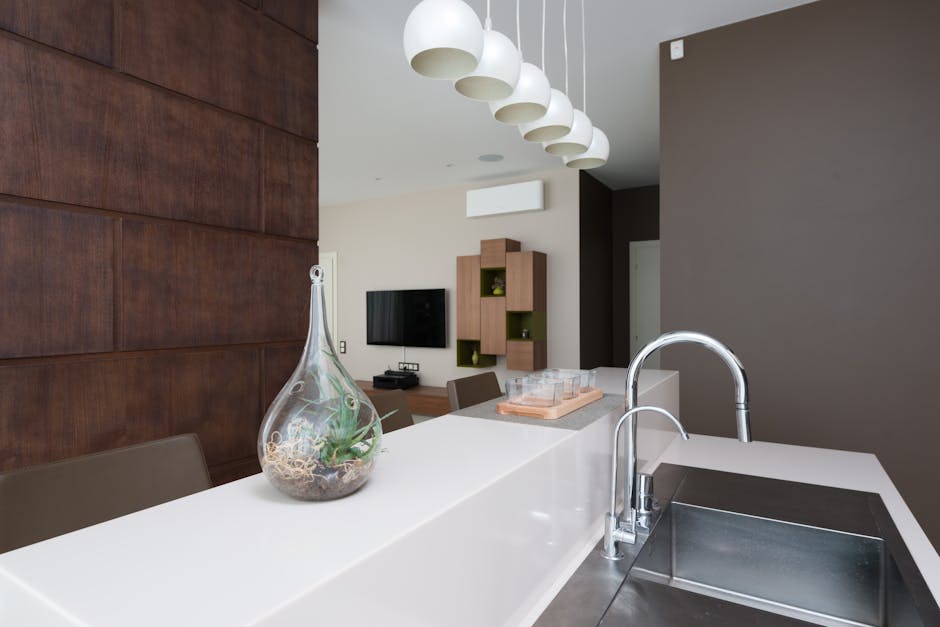
If your pet sheds, tracks in dirt, or just enjoys rolling around in who knows what, keeping a clean living area isn’t optional it’s essential. Start with the basics: vacuum regularly. Dander, fur, and dust build up fast, especially on carpets and upholstery. A quick once over with a strong vacuum a few times a week helps keep air quality livable for both you and your pet.
Next, your cleaning tools matter. Avoid products with harsh chemicals or synthetic scents. What smells ‘fresh’ to us can be overwhelming or even toxic to animals. Stick to pet safe, fragrance free cleaners they’re easier to find these days and often just as effective.
Don’t forget the soft stuff either. Bedding and toys are bacteria and odor magnets. Throw cushions, blankets, and plush toys in the wash weekly. If it’s washable, wash it. This routine, while simple, cuts down allergens and keeps your pet’s space consistently fresh.
It’s not just about tidiness it’s about health and comfort.
Provide Mental Stimulation and Enrichment
Creating a truly comfortable living space for your pet goes beyond the physical environment mental stimulation is just as essential. A bored pet can quickly become anxious, destructive, or lethargic. Enrichment helps your pet stay engaged, happy, and mentally sharp.
Toys and Activities That Spark Curiosity
Rotate interactive tools and games to keep your pet’s mind active:
Puzzle feeders encourage problem solving while slowing down eating
Safe chew toys provide stimulus and help maintain dental health
Rotating games or toy rotations prevent boredom and increase novelty
Tailored Enrichment by Species
Different pets need different types of mental challenges and physical setups:
Cats: Install perches, window hammocks, or cat trees so they can climb, observe, and claim territory
Small rodents: Offer digging boxes, tunnels, and chewable mazes to mimic natural behaviors
Birds: Provide mirrors, bells, and visual access to outdoor views for entertainment
Design Purposeful Zones
Creating distinct environments within your home helps pets transition between various needs throughout the day:
Sleep Zone: Cozy bedding in a quiet area for rest and recovery
Play Zone: Open space with toys and interactive tools for active play
Observe Zone: Windows, elevated spots, or tucked away corners where your pet can safely observe their surroundings
Regularly switching out toys and rearranging these zones adds variety and keeps your pet mentally engaged no major renovations required.
Temperature and Climate Control
Most pets are comfortable in indoor temperatures ranging from 68 72°F (20 22°C). It’s a simple range, but it’s the difference between restless pacing and true relaxation. In 2026, energy efficient heating and cooling tools make it easier to maintain this zone. Heated mats and cooling pads are no longer luxury extras they’re practical tools that help regulate your pet’s environment, especially if your home has hot spots or drafty corners.
Placement matters too. Keep cages, tanks, and beds away from direct sunlight or vents. Sudden temperature swings or harsh UV exposure can be stressful, especially for small animals and reptiles. The goal here isn’t to mimic the wild it’s to create a steady, breathable setting that keeps discomfort out of the picture.
Daily Routines Make a Big Difference
Why Routine Matters
Pets like people thrive on structure. A consistent daily routine provides more than order; it promotes emotional and physical well being by offering predictability. Whether it’s a morning walk, a regular feeding time, or scheduled play, routine gives your pet a sense of security.
Reduces anxiety and behavioral issues
Builds trust between you and your pet
Supports healthy digestion and sleep cycles
Key Elements of a Pet Routine
Keep these foundational elements in mind as you design your pet’s daily rhythm:
1. Activity
Daily walks, interaction, or exercise time based on your pet’s energy level
Opportunities for natural behaviors sniffing, chasing, digging, or climbing
2. Feeding
Same time and location each day to create predictability
Clean bowls and fresh water always available
3. Rest
Quiet space for undisturbed rest
Routine bedtime helps align with your pet’s natural body clock
Fine Tune with Observation
Pay attention to how your pet reacts to the routine. If they seem restless or overly sleepy, adjust accordingly. Not all pets follow the same rhythm, so flexibility paired with consistency is key.
Further Reading
For a deeper dive into creating a healthy, effective routine, explore this helpful guide: Daily Routines That Promote Better Pet Health
Make Comfort an Ongoing Priority
Comfort isn’t a one and done setup it’s an ongoing process. Pets change over time. Their joints get stiffer, their energy shifts, their favorite nap spots rotate. So pay attention. Limping, pacing, excessive grooming, or avoiding a space they once loved? All signs something’s off.
Check in weekly. Maybe that cozy crate is suddenly too cramped. Maybe the sun hits their bed too harshly in the afternoon. Small tweaks like moving furniture, layering rugs, or adding a ramp can make a big difference in how they feel day to day.
Your goal isn’t perfection. It’s adaptability. A real pet friendly environment evolves right along with your animal’s needs. That flexibility lets them feel safe, understood, and at home. And that’s the kind of comfort that matters most.
 Lyle Fieldstines writes the kind of pet product reviews content that people actually send to each other. Not because it's flashy or controversial, but because it's the sort of thing where you read it and immediately think of three people who need to see it. Lyle has a talent for identifying the questions that a lot of people have but haven't quite figured out how to articulate yet — and then answering them properly.
They covers a lot of ground: Pet Product Reviews, Training Techniques and Guides, Health and Nutrition for Pets, and plenty of adjacent territory that doesn't always get treated with the same seriousness. The consistency across all of it is a certain kind of respect for the reader. Lyle doesn't assume people are stupid, and they doesn't assume they know everything either. They writes for someone who is genuinely trying to figure something out — because that's usually who's actually reading. That assumption shapes everything from how they structures an explanation to how much background they includes before getting to the point.
Beyond the practical stuff, there's something in Lyle's writing that reflects a real investment in the subject — not performed enthusiasm, but the kind of sustained interest that produces insight over time. They has been paying attention to pet product reviews long enough that they notices things a more casual observer would miss. That depth shows up in the work in ways that are hard to fake.
Lyle Fieldstines writes the kind of pet product reviews content that people actually send to each other. Not because it's flashy or controversial, but because it's the sort of thing where you read it and immediately think of three people who need to see it. Lyle has a talent for identifying the questions that a lot of people have but haven't quite figured out how to articulate yet — and then answering them properly.
They covers a lot of ground: Pet Product Reviews, Training Techniques and Guides, Health and Nutrition for Pets, and plenty of adjacent territory that doesn't always get treated with the same seriousness. The consistency across all of it is a certain kind of respect for the reader. Lyle doesn't assume people are stupid, and they doesn't assume they know everything either. They writes for someone who is genuinely trying to figure something out — because that's usually who's actually reading. That assumption shapes everything from how they structures an explanation to how much background they includes before getting to the point.
Beyond the practical stuff, there's something in Lyle's writing that reflects a real investment in the subject — not performed enthusiasm, but the kind of sustained interest that produces insight over time. They has been paying attention to pet product reviews long enough that they notices things a more casual observer would miss. That depth shows up in the work in ways that are hard to fake.