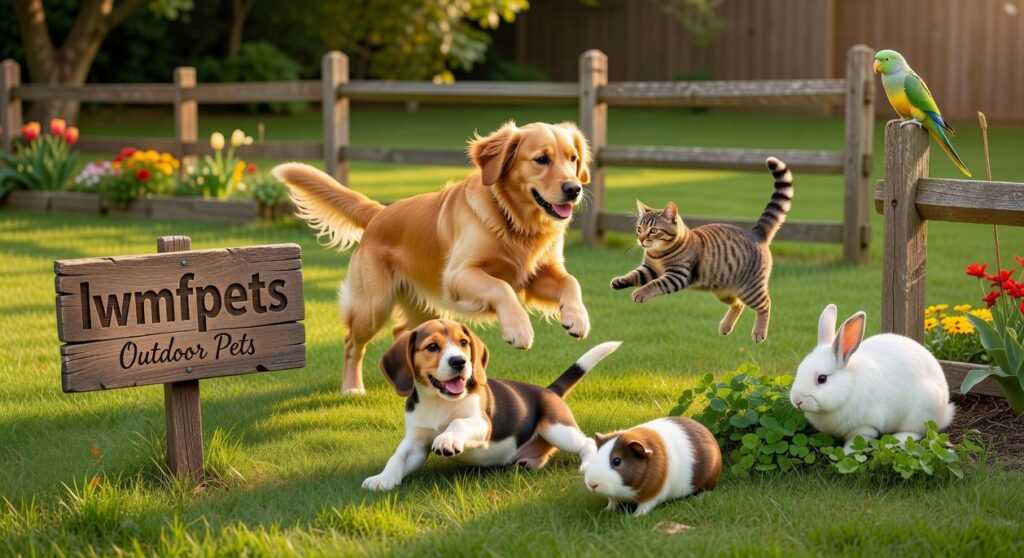
I need to tell you something important before we talk about which pets can live outside.
Most animals shouldn’t live outdoors full time. But I know some of you have the space and setup where certain pets can actually thrive outside.
The question isn’t just “can this animal survive outdoors?” It’s whether they can be healthy and content there. Big difference.
I’ve worked with animals long enough to know that outdoor pets lwmfpets require way more planning than most people realize. You’re not just putting a dog in the yard and calling it done.
This guide will show you which animals can genuinely do well living outside. I’m talking about breeds and species that are built for it, not just tolerant of it.
You’ll learn what these animals need to stay safe and healthy. Shelter requirements. Health considerations. Mental stimulation (yes, outdoor pets get bored too).
I’m going to be straight with you about the responsibilities involved. Because if you’re not ready to provide proper care, keeping a pet outside isn’t fair to the animal.
We’ll cover dogs that are suited for outdoor life and other animals that might work for your situation. But only if you can meet their needs.
The Modern ‘Outdoor Pet’: Redefining the Role with Responsibility
Let me be honest with you.
I used to think outdoor pets were fine as long as they had food and a doghouse.
Then I met Bailey.
Bailey was a Golden Retriever who lived in someone’s backyard. Had a nice shelter. Food bowl always full. Water changed daily. By most standards, he was well cared for.
But when I spent time with him, something felt off. He’d pace the fence line for hours. Bark at nothing. Jump on anyone who came near like they were his last hope for connection.
That’s when it hit me. I’d been thinking about outdoor pets all wrong.
What an Outdoor Pet Actually Means
First, let’s get clear on terms. An outdoor pet spends most of their time outside but still gets regular interaction with their family. That’s different from a pet who lives exclusively outdoors with minimal human contact.
The second one? That’s not really a pet. That’s an animal you’re keeping in your yard.
Some people will tell you dogs and cats are fine living outside full time because that’s how animals lived for thousands of years. And sure, they’re not wrong about the history. But we domesticated these animals specifically to live alongside us.
Keeping them isolated defeats the whole point.
The Three Things You Can’t Skip
If you have an outdoor pets Lwmfpets setup, here’s what’s non-negotiable.
Shelter matters. Not just a roof. Real protection from rain, wind, snow, and heat. I learned this the hard way when I thought a basic doghouse was enough during a Virginia summer. It wasn’t.
Food and water. Fresh, clean, and consistent. Sounds obvious until you realize how fast water bowls get contaminated or freeze over.
Health care. Regular vet visits, vaccines, and flea and tick prevention. Outdoor pets face more health risks than indoor ones. You can’t skip this stuff.
But here’s what I got wrong for years. I thought those three things were enough. They’re not. They keep a pet alive, but alive isn’t the same as okay.
Your outdoor pet needs you. Daily interaction. Play time. Mental stimulation. Without it, you’ll see the same things I saw in Bailey. Anxiety, boredom, and behavior problems that come from loneliness.
That’s the part nobody talks about enough.
Hardy Hounds: Top Dog Breeds Suited for Outdoor Life
Some dogs are just built different.
You know the type. They’d rather sleep under the stars than on your couch. They get restless indoors and come alive when they’re outside.
But here’s where it gets tricky. Not every breed that loves the outdoors can actually handle living outside full time. And honestly, the research on this isn’t as clear cut as you’d think.
What Makes a Dog Outdoor Ready
Look for dogs with double coats. That’s your first clue they can handle weather changes.
High energy matters too. These aren’t dogs that want a quick walk around the block. They need real exercise and space to move.
The best outdoor dogs tend to be independent. They don’t need constant attention (though they still need your time and care). Many also have strong territorial instincts, which makes them natural guardians.
Siberian Husky
These dogs were literally bred to run in subzero temperatures.
A Husky’s double coat keeps them warm in cold climates that would send most breeds running for shelter. They need serious exercise. I’m talking miles, not laps around the yard.
Here’s the catch though. Huskies are escape artists. I mean it. They’ll dig under fences, jump over them, or find weaknesses you didn’t know existed. You need a very secure enclosure or you’ll be chasing your dog through the neighborhood. To keep your adventurous Huskies from becoming neighborhood nomads, investing in a robust enclosure is essential, much like the dedicated designs seen in Lwmfpets that prioritize both security and style.
Great Pyrenees
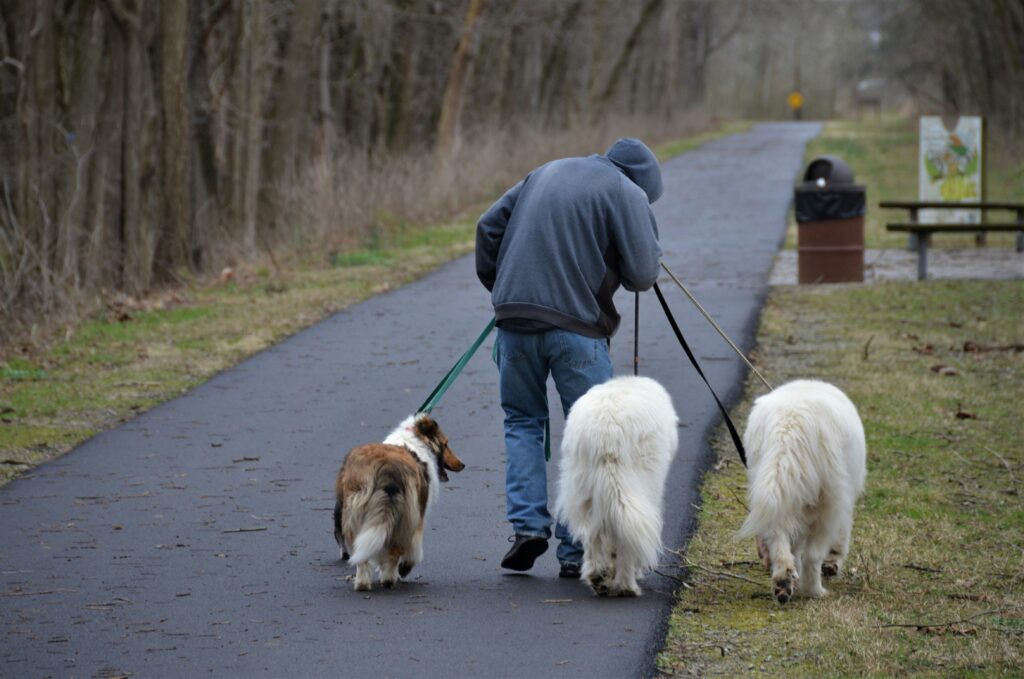
If you need a guardian, this is your dog.
Great Pyrenees have thick coats and calm personalities. They were bred to protect livestock, so they naturally want a job to do. Give them space and purpose and they’ll thrive.
But space is non-negotiable. These are big dogs that need room to patrol and move around.
Australian Cattle Dog
Smart doesn’t even cover it.
Australian Cattle Dogs are incredibly intelligent and energetic. They need tasks to keep their minds busy. Without mental engagement, they’ll find their own entertainment (and you probably won’t like it).
They do great with space to roam. But I’ll be honest, I’m not entirely sure these dogs are suited for full time outdoor living without significant human interaction. They bond closely with their people.
What You Still Need to Provide
Even hardy breeds need proper shelter.
We’re talking insulated dog houses that protect from wind, rain, and temperature extremes. Check out outdoor pets lwmfpets for guidance on setting up safe outdoor spaces.
And here’s something people forget. These cold weather breeds? They struggle in extreme heat. You’ll need cooling mats, plenty of shade, and constant access to fresh water.
No dog should be left outside in dangerous temperatures without proper protection. Period.
The Outdoor Cat Conundrum: Balancing Instincts with Safety
You let your cat outside and someone’s bound to have an opinion about it.
I see it all the time. Cat owners caught between what feels natural for their pet and what everyone says they should do.
Your cat sits by the door and meows. You know they want out. And honestly, watching them explore feels right.
But then you hear about the risks. The wildlife concerns. The dangers lurking in your own neighborhood.
Some people will tell you cats belong indoors, period. They’ll point to studies showing outdoor cats live shorter lives and threaten bird populations. They’re not making it up either. The data backs them up.
Here’s where I push back though.
Keeping a cat locked inside when they’re desperate to go out? That creates its own problems. Boredom, anxiety, destructive behavior. I’ve seen cats tear up furniture because they’re going stir crazy.
The real question isn’t indoor versus outdoor. It’s how do you give your cat what they need without putting them at risk? This ties directly into what we cover in Lwmfpets Indoor Pets.
Let me walk you through what actually works.
The Real Dangers Out There
Before we talk solutions, you need to know what you’re dealing with.
Traffic is the obvious one. But depending on where you live, coyotes are a bigger threat than most people realize. I’ve talked to owners who lost cats to birds of prey too.
Then there’s disease. Feline leukemia spreads through cat fights. So does FIV. Your cat gets into a scrap with a stray and suddenly you’re dealing with a chronic illness.
Parasites are everywhere outside. Fleas, ticks, intestinal worms. Even if your cat seems healthy, they’re probably picking something up.
The Catio: Your Best Middle Ground
This is where outdoor pets lwmfpets advice actually makes sense in practice.
A catio is just an enclosed outdoor space for your cat. Think screened porch but designed for climbing and exploring.
You can buy prefab ones or build your own. I’ve seen everything from simple window boxes to elaborate structures that take up half a backyard.
What matters is your cat gets outside time without the risks. They can watch birds (without catching them), feel the sun, smell fresh air. All while staying safe. For those looking to ensure their feline friends enjoy the great outdoors safely, following the valuable “Advice Lwmfpets” can make all the difference in providing a fulfilling and risk-free experience.
Pro tip: Add different levels and perches. Cats want vertical space more than square footage.
Start small if you’re not sure. A window box catio runs about $200 and takes an hour to install. See how your cat responds before you invest in something bigger.
When Barn Cats Make Sense
Now, if you’ve got acreage or a working farm, barn cats are different.
These cats have jobs. They keep rodent populations down. They’re not pets in the traditional sense, but they’re not feral either.
Here’s what people get wrong about barn cats though. They still need care.
Get them spayed or neutered. Vaccinate them. Provide supplemental food and water even if they’re hunting. Give them shelter when it’s cold.
A barn cat that’s properly cared for can live a good life outdoors. But you can’t just dump a cat in a barn and call it done.
Check out lwmfpets advice by lookwhatmomfound for more specific guidance on setting up proper care for working cats.
Making Your Choice
Look, I’m not going to tell you what to do with your cat.
What I will say is this. If your cat is going outside, make it as safe as possible. Catios work for most situations. Supervised outdoor time on a harness works too (yes, really).
And if you’re committed to free roaming? At least get them microchipped, keep vaccines current, and bring them in at night when predators are most active.
Your cat’s safety is worth the extra effort. Training Pets Lwmfpets is where I take this idea even further.
Beyond Cats and Dogs: Other Animals for Outdoor Environments
Most people think outdoor pets means a dog in the backyard.
But there’s a whole world of animals that can thrive in outdoor spaces. Animals that might actually fit your lifestyle better than traditional pets.
Here’s what nobody tells you though. These animals aren’t low maintenance alternatives. They’re different commitments with their own specific needs.
Some experts say you should stick with cats and dogs because anything else is too complicated. They worry that people underestimate what these animals require.
And honestly? They have a point. I’ve seen too many rabbits stuck in tiny hutches or chickens in coops that wouldn’t survive a determined raccoon.
But here’s where I disagree.
If you’re willing to do it right, outdoor pets lwmfpets can be incredibly rewarding. You just need to know what you’re getting into.
Backyard Chickens
Chickens give you fresh eggs and eat through your garden pests like it’s their job (because it is).
But they need a predator-proof coop. Not just a cute wooden box from the hardware store. I’m talking about hardware cloth on all openings and a secure run where they can forage safely.
Hawks, foxes, and raccoons are smarter than you think.
Rabbits and Guinea Pigs
Let me be clear about something. These animals cannot live loose in your yard. I don’t care how “safe” your neighborhood seems.
They need a large weatherproof hutch with an attached run. Daily monitoring is non-negotiable because they hide illness until it’s serious.
Most people don’t realize guinea pigs are social animals that need companions. A single guinea pig alone in a hutch? That’s not advice lwmfpets would ever support.
Pot-bellied Pigs and Goats
These work if you have property. Real property with proper fencing.
Check your zoning laws first. Many areas restrict these animals completely.
Both pigs and goats need companions of their own species. They’re social creatures that get depressed alone. And their dietary needs are specific. You can’t just toss them scraps and call it a day. For those looking to ensure the well-being of their pigs and goats, the insightful “Lwmfpets Advice by Lookwhatmomfound” emphasizes the importance of companionship and proper nutrition to prevent these social creatures from becoming depressed.
This is a years-long commitment that rivals owning a dog.
Making a Humane and Informed Choice
You now have a clear framework for understanding which pets can adapt to an outdoor lifestyle and the care they demand.
The core challenge isn’t just picking a breed. It’s committing to provide a safe, enriching, and healthy environment.
Responsible ownership is the solution. You need excellent shelter, nutrition, healthcare, and social interaction. That’s how your outdoor pets lwmfpets will thrive instead of just survive.
Before you bring an outdoor pet home, build the proper enclosure first. Then consult a veterinarian to discuss local health risks and preventative care plans.
Your pet’s wellbeing depends on the choices you make today.
Take action now and set up your outdoor space the right way. Your future pet deserves nothing less.
 Elviana Zolmuth has opinions about pet care tips and advice. Informed ones, backed by real experience — but opinions nonetheless, and they doesn't try to disguise them as neutral observation. They thinks a lot of what gets written about Pet Care Tips and Advice, Training Techniques and Guides, Pet Product Reviews is either too cautious to be useful or too confident to be credible, and they's work tends to sit deliberately in the space between those two failure modes.
Reading Elviana's pieces, you get the sense of someone who has thought about this stuff seriously and arrived at actual conclusions — not just collected a range of perspectives and declined to pick one. That can be uncomfortable when they lands on something you disagree with. It's also why the writing is worth engaging with. Elviana isn't interested in telling people what they want to hear. They is interested in telling them what they actually thinks, with enough reasoning behind it that you can push back if you want to. That kind of intellectual honesty is rarer than it should be.
What Elviana is best at is the moment when a familiar topic reveals something unexpected — when the conventional wisdom turns out to be slightly off, or when a small shift in framing changes everything. They finds those moments consistently, which is why they's work tends to generate real discussion rather than just passive agreement.
Elviana Zolmuth has opinions about pet care tips and advice. Informed ones, backed by real experience — but opinions nonetheless, and they doesn't try to disguise them as neutral observation. They thinks a lot of what gets written about Pet Care Tips and Advice, Training Techniques and Guides, Pet Product Reviews is either too cautious to be useful or too confident to be credible, and they's work tends to sit deliberately in the space between those two failure modes.
Reading Elviana's pieces, you get the sense of someone who has thought about this stuff seriously and arrived at actual conclusions — not just collected a range of perspectives and declined to pick one. That can be uncomfortable when they lands on something you disagree with. It's also why the writing is worth engaging with. Elviana isn't interested in telling people what they want to hear. They is interested in telling them what they actually thinks, with enough reasoning behind it that you can push back if you want to. That kind of intellectual honesty is rarer than it should be.
What Elviana is best at is the moment when a familiar topic reveals something unexpected — when the conventional wisdom turns out to be slightly off, or when a small shift in framing changes everything. They finds those moments consistently, which is why they's work tends to generate real discussion rather than just passive agreement.