
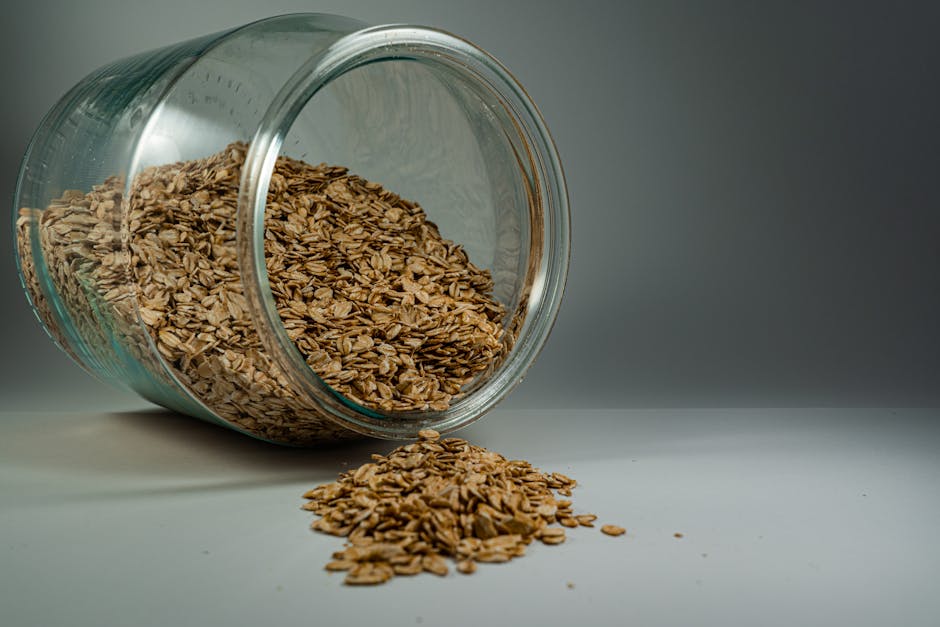
Why Consider Homemade Dog Food
One Size Doesn’t Fit All
Not all dogs thrive on commercial dog food. While some formulas are designed to be balanced, they often contain fillers, preservatives, and ingredients that may not meet your dog’s specific nutritional needs. Factors like breed, age, health conditions, and even taste preferences can influence how well your dog digests and benefits from prepackaged food.
Key Benefits of Going Homemade
Home prepared diets allow you to:
Reduce fillers and additives: Skip unnecessary chemicals and preservatives
Customize ingredients: Tailor meals to match your dog’s specific dietary needs or restrictions
Prioritize quality: Choose fresh, whole food ingredients you trust
Improve digestion and energy: Many owners notice better digestion, shinier coats, and more vitality
Don’t Skip the Vet Check In
Before making the switch to homemade food, it’s essential to consult your veterinarian or a pet nutritionist. Dogs require specific nutrients that must be carefully balanced going DIY without guidance can lead to serious health issues over time.
Get tailored nutrition plans based on your dog’s age, weight, and activity
Learn about necessary supplements most homemade diets will need
Ensure your plan supports long term health, not just short term improvements
A balanced homemade diet for your dog isn’t complicated but it does require thought. Start with solid protein sources like chicken, turkey, lean beef, or salmon. These build muscle and keep energy levels steady. Rotate proteins if possible to cover a broader nutrient range.
For carbs, stick with complex ones like brown rice, quinoa, and sweet potatoes. These give your dog sustained energy without the crash. They also help with digestion and keep things moving smoothly.
Vegetables matter too. Steamed and chopped carrots, green beans, and spinach bring in fiber, antioxidants, and essential vitamins. Keep portions moderate and avoid seasoning your dog doesn’t need salt or spice.
Don’t forget healthy fats. A little fish oil or flaxseed oil goes a long way, supporting coat health and brain function. Measure properly too much fat, even the good kind, can lead to weight gain.
Lastly, round things out with supplements. Depending on your dog’s age and breed, a vet recommended calcium source, omega 3s, or a multivitamin might be essential. Homemade diets can be complete, but only if you’re mindful of what could be missing.
Explore more healthy pet tips
Popular Homemade Diet Models
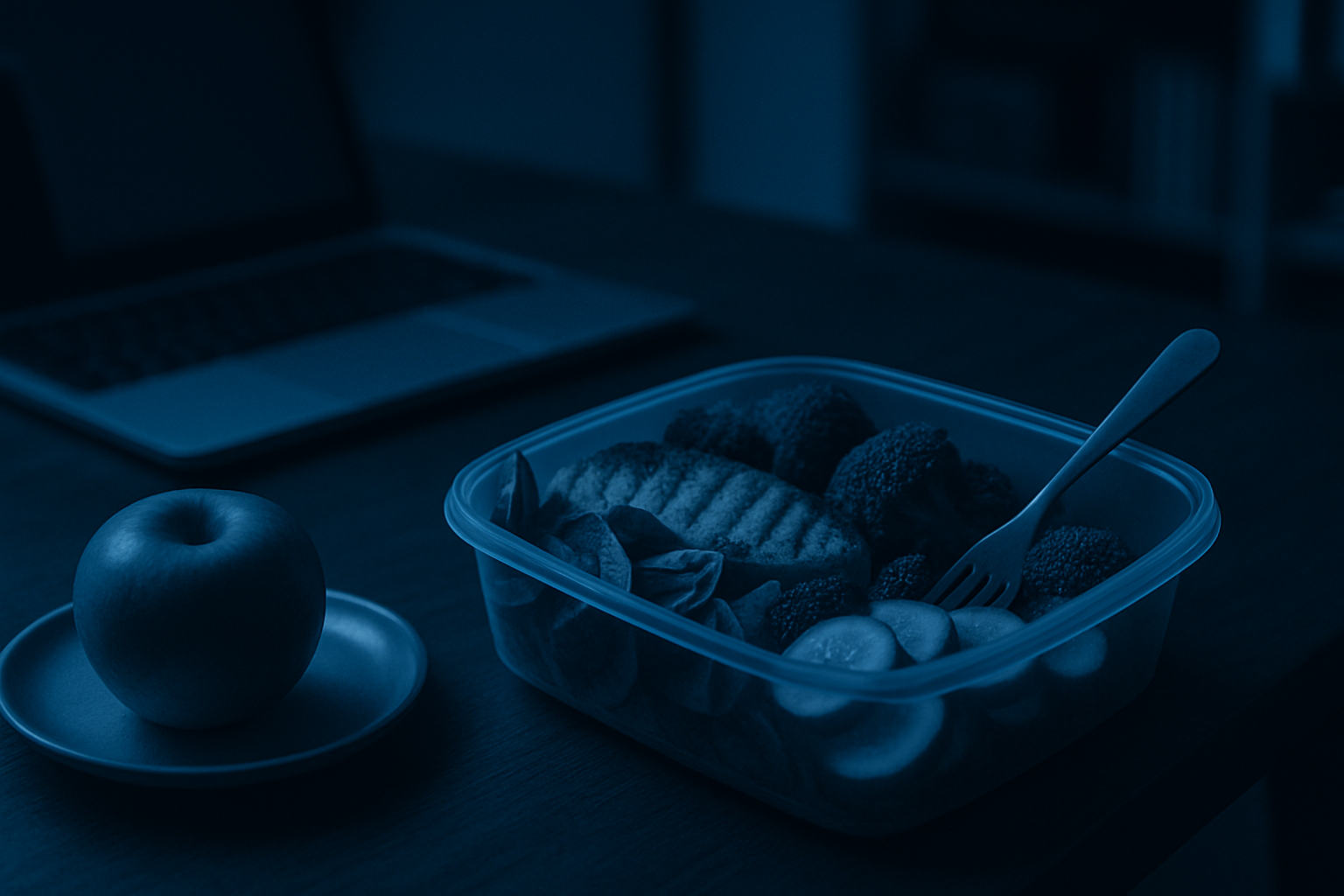
Cooked Meals Plan
This option keeps things simple and safe. Cooked homemade meals include thoroughly cooked proteins (like chicken, turkey, and beef), gentle grains (such as brown rice or oats), and lightly steamed veggies (think carrots, green beans, or zucchini). Cooking helps destroy harmful pathogens while also making the ingredients easier to digest, especially for dogs with sensitive stomachs. No frills, no raw risks, just clean, whole food that still delivers on nutrition.
Raw Food Diet (with caution)
Raw feeding is gaining ground among pet owners aiming for a more species appropriate diet, but it isn’t something to DIY casually. These meals typically include raw meat, bones, and organs the good stuff, but with caveats. Nutritional balance is key here, and hygiene matters. Improper handling or missing key nutrients can do more harm than good. If you’re going raw, work with a veterinarian or canine nutritionist to build a complete and safe meal plan. This approach isn’t plug and play.
Mix Ins with Kibble
This is the gateway strategy for many dog owners. Add whole food extras like a spoonful of plain pumpkin, cooked chicken, steamed broccoli, or a splash of bone broth to your dog’s usual kibble. It upgrades the meal without overhauling it. Ideal for picky eaters or owners easing into the homemade route, mix ins offer a compromise between convenience and quality. Just watch overall calorie intake and balance the extras so they don’t crowd out the essentials.
Foods to Always Avoid
Not everything in your kitchen is safe for your dog some of it can be downright dangerous. Start with the obvious: onions, garlic, chocolate, grapes, raisins, and anything containing xylitol. These aren’t just unhealthy they’re toxic, even in small amounts. Keep them far from the food bowl.
Then there are high fat table scraps and ultra processed bits. They may seem harmless, but they can trigger pancreatitis or long term weight issues fast. Processed foods built for humans aren’t built for canine systems.
Lastly, skip the bones that splinter, especially when cooked. They can cause choking, cuts to the digestive tract, or blockages you won’t notice until it’s an emergency. If you’re set on giving a bone, talk to your vet first.
Stay sharp about what goes into the bowl. It’s not just about feeding it’s about keeping your dog alive and thriving.
More healthy pet tips here
Final Reminders
Getting your dog’s diet right isn’t just about choosing the right ingredients it’s about managing them wisely. Start with portion control. A working husky needs more food than a senior chihuahua, and a couch loving pug shouldn’t eat like a hyperactive border collie. Always consider your dog’s breed, age, and activity level. A vet or pet nutritionist can help you dial this in with more precision.
When adding new ingredients to your dog’s routine, go slow. Introduce one food at a time over a few days to watch for any allergies or digestive issues. Sudden changes can throw off their system and cause unnecessary stress.
Finally, check in with your vet regularly. Even healthy, happy dogs can show subtle shifts in weight, energy, or digestion that hint at bigger issues. Routine weigh ins and blood panels might not sound exciting, but they’re how you catch problems early or avoid them entirely.
Your dog’s health starts in the bowl get it right, and they’ll thank you with more tail wags and longer years.
 Elviana Zolmuth has opinions about pet care tips and advice. Informed ones, backed by real experience — but opinions nonetheless, and they doesn't try to disguise them as neutral observation. They thinks a lot of what gets written about Pet Care Tips and Advice, Training Techniques and Guides, Pet Product Reviews is either too cautious to be useful or too confident to be credible, and they's work tends to sit deliberately in the space between those two failure modes.
Reading Elviana's pieces, you get the sense of someone who has thought about this stuff seriously and arrived at actual conclusions — not just collected a range of perspectives and declined to pick one. That can be uncomfortable when they lands on something you disagree with. It's also why the writing is worth engaging with. Elviana isn't interested in telling people what they want to hear. They is interested in telling them what they actually thinks, with enough reasoning behind it that you can push back if you want to. That kind of intellectual honesty is rarer than it should be.
What Elviana is best at is the moment when a familiar topic reveals something unexpected — when the conventional wisdom turns out to be slightly off, or when a small shift in framing changes everything. They finds those moments consistently, which is why they's work tends to generate real discussion rather than just passive agreement.
Elviana Zolmuth has opinions about pet care tips and advice. Informed ones, backed by real experience — but opinions nonetheless, and they doesn't try to disguise them as neutral observation. They thinks a lot of what gets written about Pet Care Tips and Advice, Training Techniques and Guides, Pet Product Reviews is either too cautious to be useful or too confident to be credible, and they's work tends to sit deliberately in the space between those two failure modes.
Reading Elviana's pieces, you get the sense of someone who has thought about this stuff seriously and arrived at actual conclusions — not just collected a range of perspectives and declined to pick one. That can be uncomfortable when they lands on something you disagree with. It's also why the writing is worth engaging with. Elviana isn't interested in telling people what they want to hear. They is interested in telling them what they actually thinks, with enough reasoning behind it that you can push back if you want to. That kind of intellectual honesty is rarer than it should be.
What Elviana is best at is the moment when a familiar topic reveals something unexpected — when the conventional wisdom turns out to be slightly off, or when a small shift in framing changes everything. They finds those moments consistently, which is why they's work tends to generate real discussion rather than just passive agreement.