
I know what it’s like to bring a pet home and wonder if you’re doing everything right.
You’re probably here because you’ve read ten different articles that all say something different about feeding schedules or training methods. Or maybe your vet said one thing and your neighbor swears by something else.
Here’s the truth: pet care doesn’t have to be complicated.
I’ve spent years working with animals and their owners at lwmfpets. I’ve seen what works and what doesn’t. I’ve watched people stress over details that don’t matter while missing the basics that do.
This guide covers what actually matters for your pet’s wellbeing. We’re talking nutrition, health, training, and keeping your pet mentally engaged.
No conflicting advice. No overwhelming lists of products you might need. Just the core things that make a real difference in your pet’s life.
We base everything on real experience with real animals. Not trends or marketing hype.
You’ll walk away knowing exactly what your pet needs to be healthy and happy. And you’ll feel confident that you’re giving them the right care.
The Foundation of Wellness: Nailing Your Pet’s Nutrition
You want your pet to live a long, healthy life.
I get it. That’s why you’re here.
But here’s what most pet owners don’t realize. The food bowl sitting on your kitchen floor right now? It’s doing more work than you think.
Some people say expensive food is just marketing. They argue that all pet food meets basic standards, so why spend more? And sure, your pet probably won’t keel over from budget kibble.
But that’s setting the bar pretty low.
What they’re missing is this. The right nutrition doesn’t just keep your pet alive. It changes how they feel every single day.
I’m talking about energy that lasts through your evening walk. A coat that actually shines instead of looking dull and patchy. Fewer trips to the vet because their immune system can do its job.
That’s what good nutrition gets you.
Choosing the Right Food
Start with the basics. Your pet’s age matters more than you think.
A puppy burning through calories needs different fuel than a senior dog who mostly naps. Same goes for breed and size. A Chihuahua and a Great Dane can’t eat the same portions and expect the same results.
Here’s what I do when I read labels. I look at the first five ingredients. If I see real meat or fish listed first, that’s a good sign. If corn or wheat shows up before any protein? I put it back.
Those fillers aren’t poison. But they’re not giving your pet what they actually need either.
Activity level counts too. My friend’s Border Collie runs agility courses three times a week. She needs way more protein than my neighbor’s cat who treats every surface like a bed.
The Importance of Hydration
Water doesn’t get enough credit.
Your pet’s organs need it to filter waste and regulate temperature. Without enough water, everything slows down. Digestion gets sluggish. Energy drops.
Most pets won’t tell you they’re thirsty until it’s a problem.
So I make it easy. I keep water bowls in multiple spots. Fresh water twice a day minimum. Some pets are picky about temperature (weird but true), so experiment a bit.
Watch for signs they’re not drinking enough. Dry gums are the first clue. Skin that doesn’t snap back when you gently pinch it? That’s dehydration starting.
You can find more pet tips and tricks at lwmfpets if you want to go deeper on this stuff.
The payoff for getting nutrition right? Your pet feels better. You spend less on vet bills. And those extra years together? They’re actually quality years.
That’s worth paying attention to what goes in the bowl.
Proactive Healthcare: Prevention is the Best Medicine
You know what most pet owners get wrong?
They wait until something’s obviously broken before they act.
Your dog starts limping. Your cat stops eating. Then you rush to the vet and hope it’s not serious.
Some people will tell you that’s fine. That pets are tough and you’ll know when they really need help. They say annual vet visits are just a money grab and you can handle most things at home.
I hear this all the time.
But here’s what they’re missing. By the time your pet shows obvious signs of illness, the problem has usually been brewing for weeks or months. That small issue you could’ve caught early? Now it’s expensive and painful to fix. To effectively care for your virtual companions in games like Lwmfpets, it’s crucial to recognize that the subtle signs of distress can often indicate deeper issues that, if left unaddressed, may lead to significant challenges down the line.
I’ve seen it happen too many times.
The truth is simpler than you think. Prevention beats reaction every single time. Not because I’m trying to scare you into spending money. Because catching problems early actually saves you money and saves your pet from suffering.
Let me show you what proactive care actually looks like.
Why Annual Vet Visits Matter More Than You Think
Look, I get it. Your pet seems fine. Why drag them to the vet when nothing’s wrong?
Because vets can spot things you can’t.
Annual check-ups aren’t about vaccinations alone (though those matter too). Your vet checks for early signs of dental disease, heart problems, joint issues, and organ function changes. Things that don’t show symptoms until they’re serious.
A study from the American Animal Hospital Association found that pets who get regular wellness exams live about 2.5 years longer than those who only see vets when sick. That’s not nothing.
Here’s what a good annual visit should cover:
Physical examination from nose to tail
Blood work to check organ function
Dental assessment because tooth problems affect the whole body
Parasite screening for heartworm and intestinal parasites
Weight and body condition evaluation
Vaccination updates based on your pet’s lifestyle
(Yes, even indoor cats need annual visits. They’re just better at hiding problems than dogs.)
What You Can Check at Home
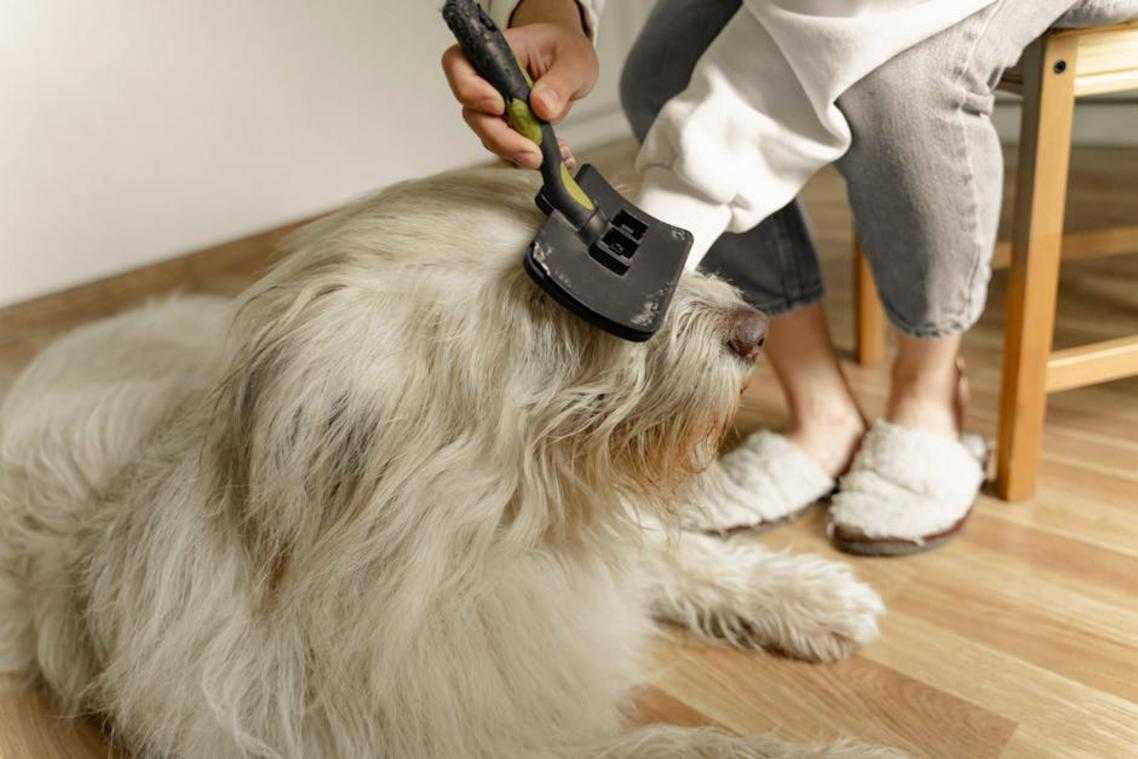
You don’t need a veterinary degree to spot early warning signs.
I teach pet owners to do simple weekly checks. Takes about five minutes and you’ll know your pet’s normal baseline. When something changes, you’ll catch it fast.
| Body Part | What to Check | Red Flags |
|---|---|---|
| ———– | ————— | ———– |
| Ears | Clean, no odor, no redness | Bad smell, discharge, head shaking, scratching |
| Eyes | Clear, bright, no discharge | Cloudiness, redness, excessive tearing, squinting |
| Teeth & Gums | Pink gums, white teeth | Bad breath, brown buildup, red or pale gums, loose teeth |
| Skin & Coat | Smooth skin, shiny coat | Bald patches, bumps, excessive scratching, dull coat |
| Body Condition | Ribs felt but not seen | Visible ribs or can’t feel ribs at all |
Start by running your hands over your pet’s entire body once a week. You’re feeling for lumps, bumps, or sore spots. Check inside their ears. Look at their teeth and gums. Watch how they move.
The goal isn’t to diagnose anything yourself. It’s to know what normal looks and feels like so you notice when it changes.
Pro Tip: Keep a simple log on your phone. Note anything unusual even if it seems minor. Patterns emerge over time that you might miss otherwise.
The Connection Between Prevention and Training
Here’s something most articles won’t tell you.
Preventive healthcare and behavior training go hand in hand. A pet who’s comfortable being handled makes home health checks possible. One who panics at the vet? That’s a safety issue for everyone involved.
This is why Training Pets Lwmfpets style means teaching your pet to accept handling from day one. Touch their paws. Look in their ears. Open their mouth gently. Make it normal and rewarding.
When vet visits become less stressful, you’re more likely to keep up with them. Your vet can do a better exam. And your pet doesn’t spend the week before hiding under the bed.
Prevention isn’t just about catching disease early. It’s about building a relationship with your pet where care and handling feel safe and routine.
That’s the part nobody talks about but makes all the difference.
Building a Strong Bond Through Training and Understanding
Look, I’m going to be honest with you.
Most people think training is about getting their pet to obey. Sit. Stay. Come. Check the boxes and you’re done.
But that’s not what training is really about.
Some trainers will tell you it’s all about being the alpha. Show your dog who’s boss. Establish dominance. Make sure they know you’re in charge.
Here’s why that’s wrong.
Your pet isn’t trying to take over your household. They’re trying to figure out what you want from them. And when you approach training like it’s a power struggle, you miss the whole point.
Training is communication. That’s it.
What Actually Works
I’ve seen two approaches play out hundreds of times. Let me show you what I mean.
| Dominance-Based Training | Positive Reinforcement | |
|---|---|---|
| —————————— | —————————- | |
| Uses corrections and punishment | Rewards desired behaviors | |
| Creates fear and anxiety | Builds confidence and trust | |
| Damages your relationship | Strengthens your bond | |
| Short-term compliance | Long-term understanding | When training Lwmfpets Indoor Pets, embracing positive reinforcement not only fosters a deeper bond but also cultivates a trusting relationship that enhances their overall well-being. |
The difference is pretty clear when you see it in action.
Positive reinforcement means you reward what you like. Your dog sits? They get a treat. Your cat uses the scratching post? Praise and maybe some playtime.
It sounds simple because it is.
Why does this work better? Your pet learns to associate good behavior with good things. They want to repeat it. Not because they’re scared of what happens if they don’t, but because they actually understand what makes you happy.
Think about it. Would you rather have a pet who listens because they trust you or because they’re afraid of you?
Understanding the Why Behind the What
Your dog tears up the couch when you leave. Your cat scratches the furniture at 3am.
These aren’t personal attacks. They’re communication.
Separation anxiety in dogs usually means they haven’t learned that you coming back is a sure thing. Every time you leave feels permanent to them. So they panic.
Cats scratching furniture? They’re marking territory and maintaining their claws. It’s not spite. It’s biology.
Once you understand the why, the solutions become obvious. For separation anxiety, you start with short departures. Two minutes. Five minutes. Build up slowly so your dog learns the pattern.
For scratching, you give your cat better options. A good scratching post in the right spot usually solves it. (And by right spot, I mean where they’re already scratching, not where you think it should go.)
You can find more pet tips and tricks lwmfpets that address specific behaviors, but the principle stays the same. Figure out what your pet is trying to tell you.
The Consistency Problem
Here’s where most people mess up.
You teach your dog not to jump on the couch. Great. But then your partner lets them up there while watching TV. Your kids sneak them treats from the table.
Your pet gets confused. What are the actual rules?
Consistency means everyone in your house follows the same guidelines. Same commands. Same rewards. Same boundaries.
I know it’s harder with multiple people. You need to get everyone on the same page before you start training. Have a family meeting. Decide what the rules are and stick to them. I explore the practical side of this in Lwmfpets Advice by Lookwhatmomfound.
Your pet will learn faster and feel more secure when they know what to expect.
Beyond the Basics: Enrichment and a Safe Environment
Your pet needs more than food and water.
I see it all the time. Owners wonder why their dog chews furniture or their cat knocks everything off the counter at 3 AM.
The answer? Boredom.
A bored pet will find ways to entertain themselves. And you probably won’t like their choices.
Mental stimulation matters just as much as physical exercise. I recommend puzzle toys that make your pet work for treats. Interactive games that challenge them. Regular playtime that actually engages their brain.
It’s not complicated. A mentally stimulated pet is calmer and better behaved.
But here’s what most people forget.
Your home needs to be safe too. Not just comfortable. Safe.
Start with the obvious stuff. Secure cleaning products and medications. Remove toxic plants (yes, that includes lilies if you have cats). Keep electrical cords out of reach.
Then give your pet their own space. A crate isn’t punishment. It’s a den. A sanctuary where they can retreat when the world gets overwhelming.
The same goes for a cozy bed in a quiet corner.
I’ve found that lwmfpets indoor pets especially need this designated safe zone. They don’t have the option to step outside and decompress.
Pro tip: Rotate your pet’s toys every few days. It keeps things fresh without spending more money.
Think of it this way. You wouldn’t want to live in a boring, unsafe environment. Neither does your pet.
For more pet tips and tricks lwmfpets owners swear by, focus on both enrichment and safety together. They work hand in hand. When it comes to ensuring the well-being of your Lwmfpets, integrating enrichment activities with safety measures is essential for a happy and healthy pet experience.
The Rewarding Journey of Pet Ownership
You now have a complete framework for excellent pet care.
Nutrition, preventative health, positive training, and enrichment. These four areas cover what your pet needs to thrive.
I know the responsibility of pet ownership can feel immense. Some days it probably feels overwhelming.
But it doesn’t have to be that way.
These fundamental practices work. They’re the proven building blocks for a long, healthy, and joyful life with your animal companion.
Thousands of pet owners have used these same principles to create stronger bonds with their pets. The results speak for themselves.
Here’s what I want you to do: Choose one piece of advice from this guide and implement it this week.
Just one.
Small, consistent actions are what build a lifetime of happiness for you and your pet. You don’t need to overhaul everything at once.
For more pet tips and tricks lwmfpets has you covered. We’re here to support you through every stage of your pet’s life.
Start today. Your pet is counting on you.
 Elviana Zolmuth has opinions about pet care tips and advice. Informed ones, backed by real experience — but opinions nonetheless, and they doesn't try to disguise them as neutral observation. They thinks a lot of what gets written about Pet Care Tips and Advice, Training Techniques and Guides, Pet Product Reviews is either too cautious to be useful or too confident to be credible, and they's work tends to sit deliberately in the space between those two failure modes.
Reading Elviana's pieces, you get the sense of someone who has thought about this stuff seriously and arrived at actual conclusions — not just collected a range of perspectives and declined to pick one. That can be uncomfortable when they lands on something you disagree with. It's also why the writing is worth engaging with. Elviana isn't interested in telling people what they want to hear. They is interested in telling them what they actually thinks, with enough reasoning behind it that you can push back if you want to. That kind of intellectual honesty is rarer than it should be.
What Elviana is best at is the moment when a familiar topic reveals something unexpected — when the conventional wisdom turns out to be slightly off, or when a small shift in framing changes everything. They finds those moments consistently, which is why they's work tends to generate real discussion rather than just passive agreement.
Elviana Zolmuth has opinions about pet care tips and advice. Informed ones, backed by real experience — but opinions nonetheless, and they doesn't try to disguise them as neutral observation. They thinks a lot of what gets written about Pet Care Tips and Advice, Training Techniques and Guides, Pet Product Reviews is either too cautious to be useful or too confident to be credible, and they's work tends to sit deliberately in the space between those two failure modes.
Reading Elviana's pieces, you get the sense of someone who has thought about this stuff seriously and arrived at actual conclusions — not just collected a range of perspectives and declined to pick one. That can be uncomfortable when they lands on something you disagree with. It's also why the writing is worth engaging with. Elviana isn't interested in telling people what they want to hear. They is interested in telling them what they actually thinks, with enough reasoning behind it that you can push back if you want to. That kind of intellectual honesty is rarer than it should be.
What Elviana is best at is the moment when a familiar topic reveals something unexpected — when the conventional wisdom turns out to be slightly off, or when a small shift in framing changes everything. They finds those moments consistently, which is why they's work tends to generate real discussion rather than just passive agreement.