Pick a Spot and Be Consistent
Creating a reliable potty routine starts with consistency. Puppies thrive with structure, and they learn faster when your approach stays the same day to day. Here’s how to build that reliable system right away:
Choose a Dedicated Potty Area
Select one consistent location outside for potty breaks
Avoid switching areas frequently familiarity builds confidence and habit
Make the spot easily accessible and safe for your puppy to reach quickly
Stick to a Regular Potty Schedule
Timing matters. Without a set routine, your puppy can become confused or anxious.
Take your puppy out:
First thing in the morning
After every meal
After naps or play sessions
Right before bedtime
Keeping this rhythm helps them start to anticipate when and where it’s time to go.
Use the Same Door Every Time
Dogs are creatures of habit, and environmental cues matter. Exiting through the same door each time builds a mental link between that spot and the act of going potty.
Use the same door to go to the potty area
Offer a verbal cue like “let’s go potty” as you head outside
Over time, your puppy will head to that door to signal their need
By keeping everything from the location to the process predictable, you’ll help your puppy feel secure and learn faster.
Timing Is Everything
Young puppies don’t come with built in timers. Under six months old, they physically can’t hold their bladder for long usually just a few hours at best. A good rule of thumb: take their age in months, add one, and that’s roughly how many hours they can go between potty breaks. So a 3 month old pup? Maybe four hours, tops.
Timing isn’t just about avoiding messes. It’s about teaching your puppy what to expect. Feeding them on a solid, consistent schedule sets the stage. Food goes in at the same times each day, and nature tends to call shortly after. That predictability is your edge it takes some of the guesswork out while helping your dog learn the routine faster.
Use Positive Reinforcement, Not Punishment
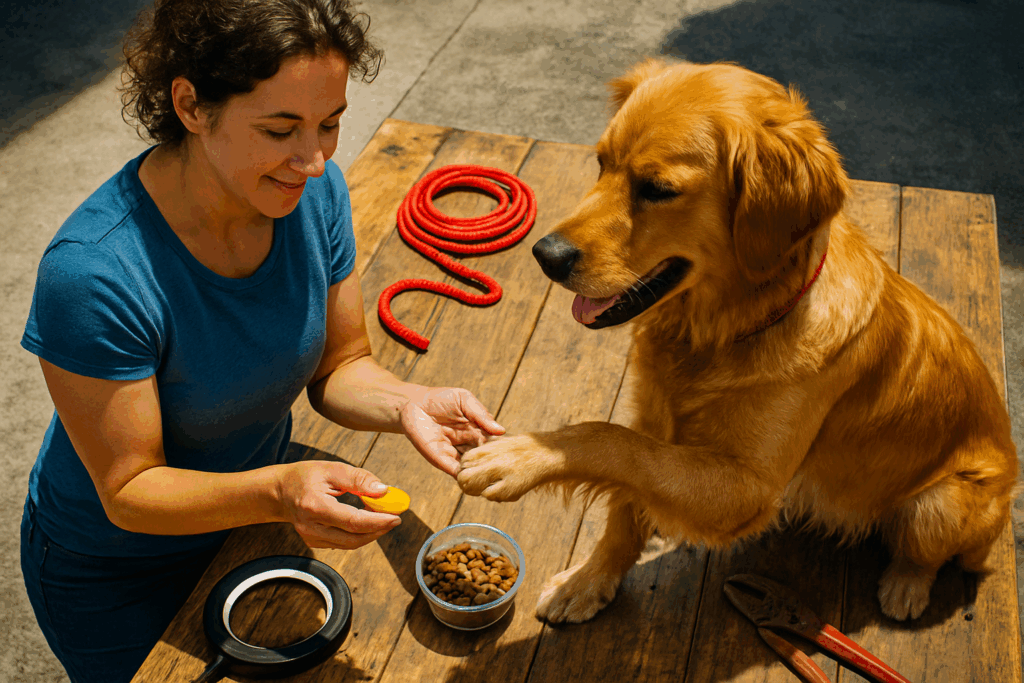
When it comes to potty training your puppy, positive beats punitive every time. Praise and treats help the lesson stick a lot faster. Dogs are hardwired to repeat behaviors that get them attention and rewards. The moment your pup does their business in the right spot, give clear praise and a small treat right then and there. Timing is everything. Waiting too long dilutes the connection.
If your puppy has an accident? Skip the scolding. They won’t link your frustration with what happened five minutes ago. Instead, calmly interrupt if you catch it in the act and guide them to the right place. If it’s already done, quietly clean it up and focus on the next opportunity to reinforce the correct behavior.
Pro tip: stash a pouch of treats near the door or keep some in your pocket during potty outings. Immediate reward = faster learning.
Want to sharpen your praise game? Find out whether clicker training or voice commands work best for your dog: Clicker Training vs. Voice Commands Which Works Better
Crate Training Is Your Secret Weapon
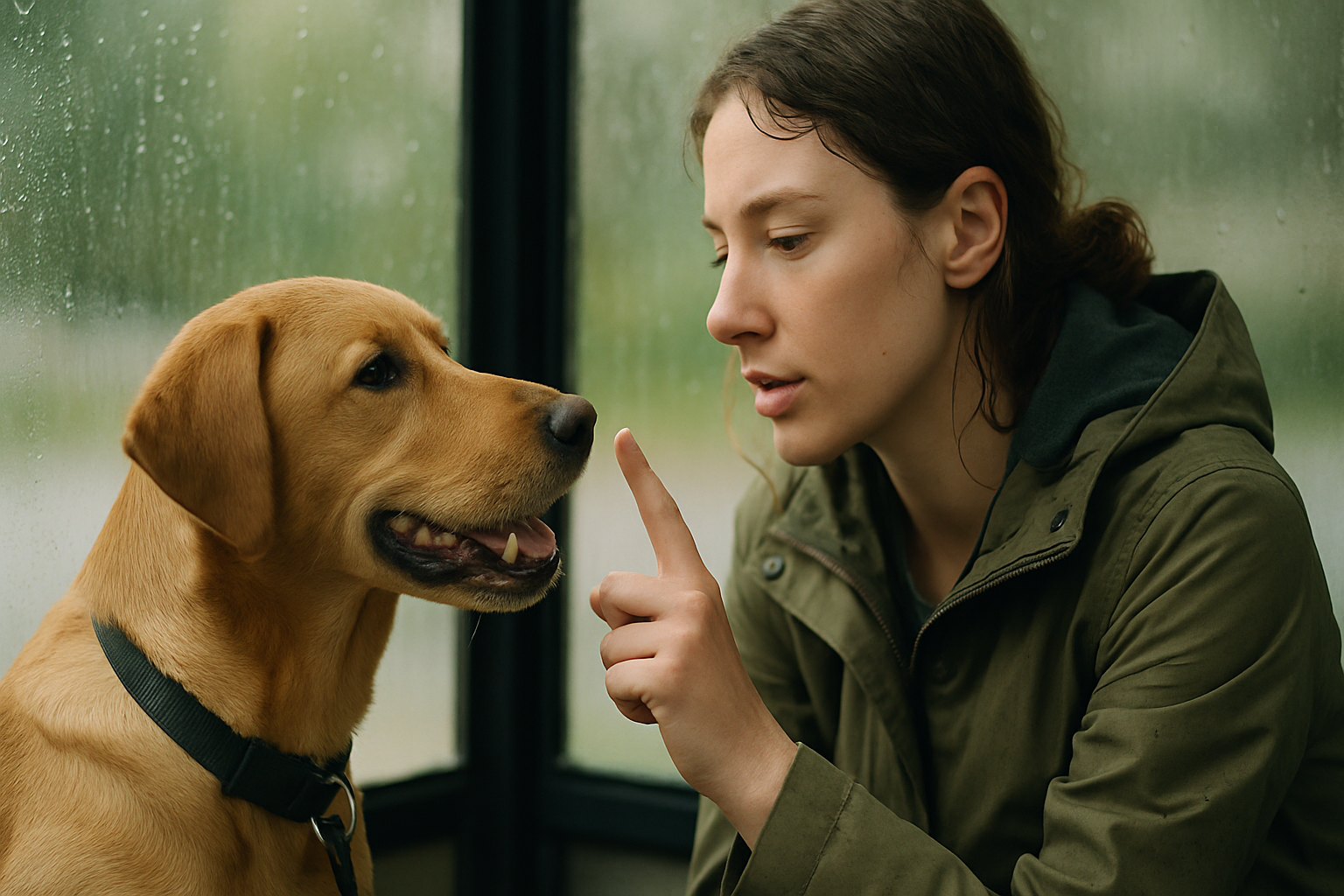
Crate training is one of the most effective tools for potty training your puppy when used correctly. It taps into a dog’s natural instinct to avoid soiling their sleeping space, helping them learn bladder control and create positive habits.
Why Crate Training Works
Dogs instinctively keep their sleep areas clean, which makes crates a powerful house training aid.
This natural behavior encourages puppies to hold it until they’re let out.
Setting the Right Limits
While crates are helpful, they shouldn’t be overused:
Don’t leave your puppy in the crate for more hours than they can hold their bladder.
Use the formula: your puppy’s age in months + 1 = maximum hours in the crate.
Watch for signs of restlessness it may be time for a potty break.
Make the Crate Feel Safe and Positive
The crate should never feel like punishment:
Add a soft blanket or bed to make it comfortable.
Leave the crate door open during calm times so your puppy explores it freely.
Offer a treat or toy inside to build positive associations.
With the right approach, your puppy will see the crate as a safe, cozy den and an important stepping stone in their potty training journey.
Accidents Happen Clean Them Right
No matter how consistent you are, accidents will happen. It’s part of the process. When they do, your cleanup method matters. Enzyme cleaners should be your go to. They don’t just mask the smell they break down the proteins in urine and feces that keep your dog coming back to the same spot.
Avoid ammonia based cleaners like the plague. To a human, it might just smell strong. To a dog, it smells a lot like pee. That can actually encourage more accidents in the exact place you’re trying to get them to avoid.
Lastly, stay calm. One setback isn’t the end of the road. Potty training isn’t a straight line, and puppies are still figuring out how the world works. Breathe, clean it up, and move on.
Stick With It, Don’t Rush It
Potty training isn’t a weekend project. Most puppies need 4 to 6 months to really get it down and yes, some take longer. The key here is steadiness. Same cues, same timing, same potty spot. Day after day, that’s what wires the habit.
There’s going to be regression. That’s normal. Don’t jump to assuming your pup is being stubborn or defiant. Instead, revisit the basics: Are you sticking to the schedule? Have their meals shifted? Did you miss a few signal cues? Nine times out of ten, the issue is structural, not behavioral.
Patience doesn’t mean doing nothing it means doing the right things over and over until they click. If you keep it simple and consistent, your dog will get there. Just don’t expect perfection on your timeline.
Keep It Low Stress for Both of You
Potty training your puppy doesn’t have to be overwhelming. In fact, the calmer and more consistent you are, the faster your puppy will learn. Creating a smooth, stress free environment helps both of you succeed.
Set Simple, Reliable Rules
To avoid confusion, keep the rules around potty time straightforward. Less uncertainty means fewer accidents.
Always take your puppy to the same potty spot
Use one door to exit and return
Keep verbal cues short and consistent (e.g., “Go potty”)
Build Routine Into Daily Life
Repetition is a powerful teacher. Predictable potty times help your puppy form good habits faster and reduce anxiety for you.
Go out first thing in the morning, after meals, naps, and before bed
Offer consistent feeding times to regulate digestion
Log accidents and successes to spot patterns
Celebrate Every Win
Positive reinforcement builds confidence. Even tiny victories matter in early training.
Offer treats or praise immediately after your puppy potties in the right spot
Don’t overlook quiet signals (sniffing, circling) that show they’re learning
Reinforce your puppy’s progress to strengthen the bond
Learn Their Language
Potty training is a two way street. As you guide your puppy, also pay attention to how they communicate their needs.
Watch for behavior cues before accidents occur
Notice timing between meals and needing to go
Be present verbal corrections come too late, awareness prevents the mistake
Keeping the process calm and positive will help your puppy feel secure as they’re learning and make you feel more in control too.
 Lyle Fieldstines writes the kind of pet product reviews content that people actually send to each other. Not because it's flashy or controversial, but because it's the sort of thing where you read it and immediately think of three people who need to see it. Lyle has a talent for identifying the questions that a lot of people have but haven't quite figured out how to articulate yet — and then answering them properly.
They covers a lot of ground: Pet Product Reviews, Training Techniques and Guides, Health and Nutrition for Pets, and plenty of adjacent territory that doesn't always get treated with the same seriousness. The consistency across all of it is a certain kind of respect for the reader. Lyle doesn't assume people are stupid, and they doesn't assume they know everything either. They writes for someone who is genuinely trying to figure something out — because that's usually who's actually reading. That assumption shapes everything from how they structures an explanation to how much background they includes before getting to the point.
Beyond the practical stuff, there's something in Lyle's writing that reflects a real investment in the subject — not performed enthusiasm, but the kind of sustained interest that produces insight over time. They has been paying attention to pet product reviews long enough that they notices things a more casual observer would miss. That depth shows up in the work in ways that are hard to fake.
Lyle Fieldstines writes the kind of pet product reviews content that people actually send to each other. Not because it's flashy or controversial, but because it's the sort of thing where you read it and immediately think of three people who need to see it. Lyle has a talent for identifying the questions that a lot of people have but haven't quite figured out how to articulate yet — and then answering them properly.
They covers a lot of ground: Pet Product Reviews, Training Techniques and Guides, Health and Nutrition for Pets, and plenty of adjacent territory that doesn't always get treated with the same seriousness. The consistency across all of it is a certain kind of respect for the reader. Lyle doesn't assume people are stupid, and they doesn't assume they know everything either. They writes for someone who is genuinely trying to figure something out — because that's usually who's actually reading. That assumption shapes everything from how they structures an explanation to how much background they includes before getting to the point.
Beyond the practical stuff, there's something in Lyle's writing that reflects a real investment in the subject — not performed enthusiasm, but the kind of sustained interest that produces insight over time. They has been paying attention to pet product reviews long enough that they notices things a more casual observer would miss. That depth shows up in the work in ways that are hard to fake.