
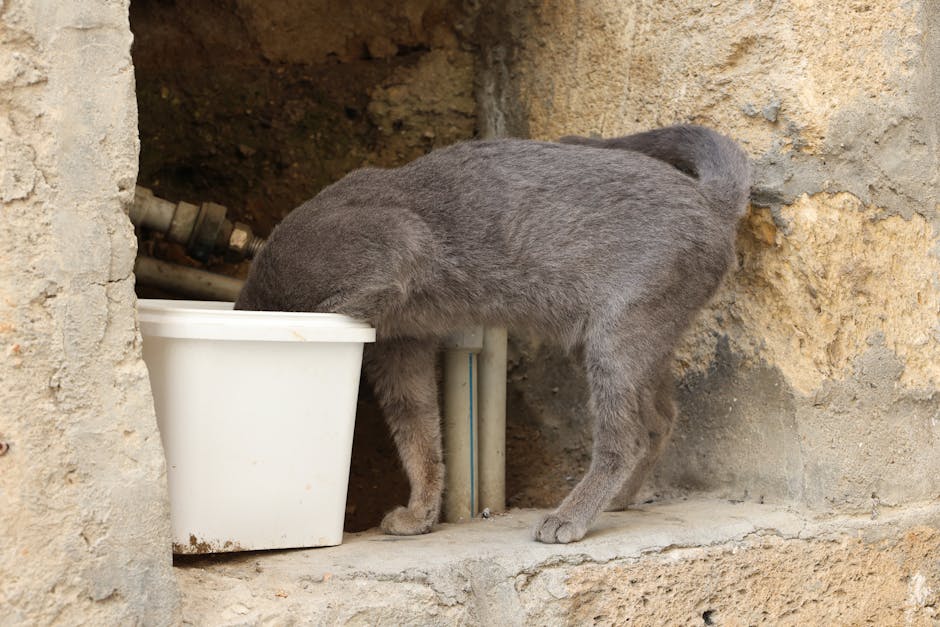
Why Water Matters More Than You Think
Water isn’t optional it’s the silent engine behind nearly every function in your pet’s body. Whether you’ve got a floppy eared hound or a moody tabby, hydration keeps everything running clean and quiet.
Here’s what’s happening under the hood: First, digestion. Water helps break food down and move it smoothly through the gut. Without enough, things slow down cue constipation and upset stomachs. Then there’s circulation. Hydrated pets have better blood flow, which means their cells are getting the oxygen and nutrients they need. If your pet’s body was a city, blood would be the highway and water clears the traffic.
Temperature regulation is another big one. Dogs pant. Cats lounge in the shade. But internally, it’s water that helps them dump heat and stay cool. Dehydration throws that system out of balance fast.
And how do you know if something’s off? Mild dehydration can show up as lethargy or a dry nose. More serious cases include sticky gums, sunken eyes, and fast breathing. If your pet’s skin doesn’t snap back quickly when you pinch it, it’s time to act.
Bottom line: Keep the water bowls full. Your pet’s body will take care of the rest as long as you give it what it needs.
Daily Water Needs by Species, Size & Age
Let’s get to the basics: dogs generally need about 0.5 to 1 ounce of water per pound of body weight per day. So, a 40 pound dog should be drinking roughly 20 to 40 ounces daily, depending on lifestyle and environment. Cats need a bit less around 3.5 to 4.5 ounces of water per 5 pounds of body weight. For a 10 pound cat, that works out to about 7 to 9 ounces per day.
But those numbers aren’t static. Age matters. Puppies and kittens, with their high metabolism and constant movement, often need more fluids relative to body size. On the flip side, seniors may drink less due to decreased kidney function or lower thirst signals ironically, they often need more.
Certain conditions crank up hydration needs fast. If your pet’s racing around outside all day, sweating through a hot summer, or eating mostly dry kibble, water demand goes up. High protein or salty diets make things worse, pushing kidneys harder and requiring more regular hydration.
Bottom line: know your pet, watch their habits, and adjust. One size fits all doesn’t cut it when it comes to staying hydrated.
How Diet Impacts Hydration
The Kibble vs. Wet Food Debate
Your pet’s hydration levels are directly influenced by what’s in their bowl. While water intake matters, the moisture content of their food plays a surprisingly large role in keeping them hydrated.
Dry food (kibble): Typically contains only 6 10% moisture. Pets on dry diets rely almost entirely on their water bowl to stay hydrated.
Wet food (canned or pouch): Contains 70 80% moisture, providing a significant hydration boost with every meal.
Why Dry Food Requires Extra Vigilance
Feeding your dog or cat primarily dry food increases their risk of mild dehydration, especially if they’re not avid drinkers. This can impact kidney health, digestion, and overall energy levels over time.
Risk factors for dehydration in dry food fed pets:
Not drinking enough throughout the day
Hot weather or heated indoor environments
Underlying medical conditions like kidney disease
Older age (reduced thirst response)
If your pet eats mostly kibble:
Make sure fresh water is always available
Consider mixing in some wet food or broth to meals
Monitor their hydration more closely, especially during hotter months
Explore more: Are Homemade Pet Diets Really Safe and Nutritious?
Practical Hacks to Keep Your Pet Hydrated in 2026
Fresh water isn’t a luxury it’s the baseline. Aim to swap out your pet’s water at least once a day. If the bowl is near the kitchen or outside, more frequently is better. Debris, fur, dust, and bacteria build up fast. If you wouldn’t drink it, neither should your pet.
Cat fountains and automatic dispensers can help, especially if you’re away or forgetful. Cats, in particular, tend to drink more from moving water sources. And for multi pet homes, dispensers keep supply steady. That said, they’re not hands off solutions. You’ll still need to clean them weekly, or they become funky fast.
For pets that ignore their water bowls, you’ll need to get creative. Low sodium broth is a go to just check labels and warm it slightly. Ice cubes work too, especially frozen with a little tuna water or chicken broth. Some pets go for fruits like watermelon (no seeds), or creamy pet safe hydration treats now on the market. Bottom line: find what works and repeat it. Hydration isn’t one size fits all, but it is non negotiable.
Warning Signs You Shouldn’t Ignore
When it comes to dehydration in pets, subtle signs can turn serious fast. You know your dog or cat best, so trust your gut if something feels off. Watch for signs like low energy, dry or sticky gums, little interest in food, and eyes that look dull or sunken. These aren’t just quirks they’re red flags.
There are simple tests you can try at home. The capillary refill test is quick: gently press on your pet’s gum until it turns white, then release. Color should return in 1 2 seconds. Longer than that? It may signal poor circulation caused by dehydration. Another one is the skin tent test. Gently pinch the skin at the back of the neck or between the shoulder blades, then let go. On a well hydrated animal, the skin snaps back fast. If it slowly slides back into place, hydration could be an issue.
When should you stop guessing and call the vet? If your pet hasn’t eaten or drunk water in 24 hours, or if they’re vomiting, panting heavily, or too weak to move normally, don’t wait. Dehydration can spiral fast into organ trouble. Better to get it checked than regret it later.
Final Takeaway: Make Hydration Non Negotiable
Water isn’t a suggestion it’s baseline maintenance for your pet’s health. Every single day. It keeps organs working, joints fluid, digestion moving, and temperature in check. Without it, systems start to break down faster than you’d think.
That’s why hitting daily water goals isn’t just good practice it’s preventive care. Waiting until signs of dehydration show up means it’s already a problem. Internal damage can begin long before your cat skips a meal or your dog seems tired.
Pay closer attention if you live in a warm climate or your pet is older. Their hydration needs spike under heat stress or with age related kidney decline. Staying proactive now saves you stress (and vet bills) later. Fresh water, smart routines, and small adjustments go a long way.
 Ask Sue Buschericks how they got into adoption and rescue resources and you'll probably get a longer answer than you expected. The short version: Sue started doing it, got genuinely hooked, and at some point realized they had accumulated enough hard-won knowledge that it would be a waste not to share it. So they started writing.
What makes Sue worth reading is that they skips the obvious stuff. Nobody needs another surface-level take on Adoption and Rescue Resources, Health and Nutrition for Pets, Animal Behavior Insights. What readers actually want is the nuance — the part that only becomes clear after you've made a few mistakes and figured out why. That's the territory Sue operates in. The writing is direct, occasionally blunt, and always built around what's actually true rather than what sounds good in an article. They has little patience for filler, which means they's pieces tend to be denser with real information than the average post on the same subject.
Sue doesn't write to impress anyone. They writes because they has things to say that they genuinely thinks people should hear. That motivation — basic as it sounds — produces something noticeably different from content written for clicks or word count. Readers pick up on it. The comments on Sue's work tend to reflect that.
Ask Sue Buschericks how they got into adoption and rescue resources and you'll probably get a longer answer than you expected. The short version: Sue started doing it, got genuinely hooked, and at some point realized they had accumulated enough hard-won knowledge that it would be a waste not to share it. So they started writing.
What makes Sue worth reading is that they skips the obvious stuff. Nobody needs another surface-level take on Adoption and Rescue Resources, Health and Nutrition for Pets, Animal Behavior Insights. What readers actually want is the nuance — the part that only becomes clear after you've made a few mistakes and figured out why. That's the territory Sue operates in. The writing is direct, occasionally blunt, and always built around what's actually true rather than what sounds good in an article. They has little patience for filler, which means they's pieces tend to be denser with real information than the average post on the same subject.
Sue doesn't write to impress anyone. They writes because they has things to say that they genuinely thinks people should hear. That motivation — basic as it sounds — produces something noticeably different from content written for clicks or word count. Readers pick up on it. The comments on Sue's work tend to reflect that.