
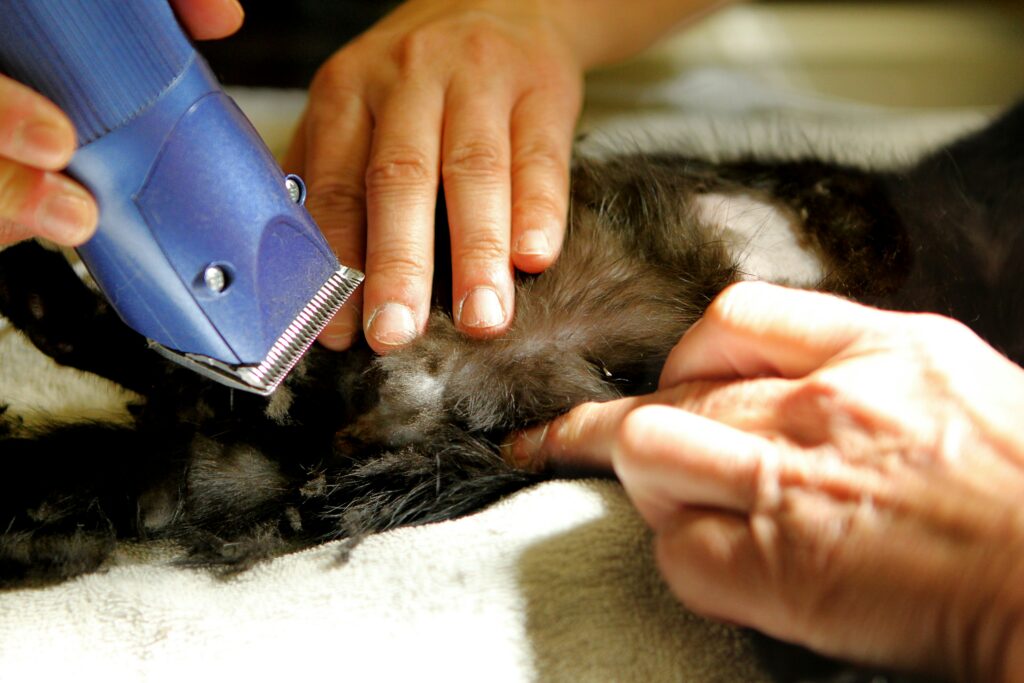
Keep a Regular Grooming Schedule
Establishing a consistent grooming routine is one of the most important steps in maintaining your pet’s overall health and comfort. Grooming isn’t just about appearances it directly affects your pet’s skin, coat, and even mood.
Why Routine Matters
Reduces matting: Especially important for long haired pets, matting can be painful and lead to skin problems.
Minimizes skin issues: Regular grooming allows you to detect rashes, dryness, or parasites early.
Controls shedding: Brushing removes loose fur and reduces the pile up of pet hair around the house.
Understand Your Pet’s Needs
Cats and dogs have different grooming frequencies based on their breed, coat type, and activity level.
Dogs:
Short haired breeds may only need weekly brushing.
Long haired or double coated breeds often benefit from daily attention.
Active dogs or those that play outdoors might require more frequent cleaning.
Cats:
Most cats groom themselves, but long haired varieties like Persians need regular brushing to prevent tangles.
Senior or overweight cats may need help reaching certain areas.
Bottom Line
Choosing and sticking to the right grooming schedule helps prevent small issues from turning into major health concerns. Start slow, be consistent, and make it a bonding experience your pet will thank you for it.
Choose the Right Brush for the Coat Type
Not all fur is created equal, and your brush shouldn’t be either. A short haired beagle isn’t going to need the same tools as a curly haired poodle. Short coats do well with bristle brushes or grooming gloves that remove loose fur and keep the skin healthy. Curly or dense coats think doodles and bichons need slicker brushes that can reach down, detangle, and prevent matting. If your dog or cat’s fur feels more like wire, pin brushes are your go to, offering deep grooming without pulling.
And yes, the wrong brush can do more harm than good. Tug too hard with stiff bristles on sensitive skin, or graze over mats with a flimsy glove, and you’re setting your pet up for discomfort or worse. Know their coat, pick your tool, and don’t just go by what looks fancy on the shelf. Your pet’s skin will thank you.
Bathe Sparingly but Effectively
Bathing your pet might seem like a simple task, but it’s one of the most common places owners go wrong. Too many baths can strip away the natural oils that protect your pet’s skin, leading to dryness and irritation. Not enough baths, though, and you’re looking at odor, flaky skin, or worse fungal infections.
The rule is balance. Know your pet’s breed, coat type, and lifestyle. Dogs who spend time outdoors may need a rinse more often than indoor lap dogs. But even then, it’s not about scrubbing them down weekly. For most, every 4 6 weeks is enough.
Always use a pet safe shampoo never human products. Our soaps are too harsh for their skin. And no matter how quick you are, always rinse thoroughly. Leftover suds can cause itching and rashes faster than you’d think.
Bathe them right, and it’s more than clean fur it’s a healthy coat and comfortable skin.
Trim Nails Without Stress
Long nails aren’t just noisy on hardwood floors they mess with your pet’s posture and can lead to joint pain. When nails are too long, every step shifts weight the wrong way. Over time, that adds up to strain, discomfort, and mobility issues.
The fix is simple, but doing it wrong can do more harm than good. Use pet nail clippers or an electric grinder, but whichever tool you choose, go slow. It’s not a race. Learn where the quick is (that soft, nerve filled center) and stay well clear. For dogs with dark nails, trim in tiny bits and stop when you see a lighter inner circle. If in doubt, leave a little extra or ask your vet for a demo.
One last note: stay calm. If you’re anxious, they’ll squirm. Make it a routine, offer treats, and treat it like a normal part of grooming not a battle.
Don’t Skip the Ears and Eyes

Ears and eyes are often overlooked in grooming routines, but skipping them can lead to bigger problems. Floppy eared breeds like Cocker Spaniels or Basset Hounds are especially prone to ear infections. Moisture and debris get trapped easily, so regular ear cleaning is non negotiable. Use a vet approved cleaner and stick to a once a week check if your dog is prone.
Eyes need attention too. Discharge builds up in the corners and can stain fur if left alone. Use a soft, damp cloth to gently wipe around the eyes no harsh rubbing, just a calm clean swipe. Some breeds with shallow eye sockets or a lot of facial hair will need this daily. Add it to your routine and you’ll avoid a lot of preventable vet bills.
Tackle Dental Care Early
Most pet parents overlook it, but dental health isn’t optional it’s foundational. Gum disease in pets doesn’t just mean bad breath; it can lead to kidney, liver, and heart problems. That’s why brushing your pet’s teeth should start young, before plaque gets a foothold and bad habits set in.
Skip the minty fresh human stuff and use pet specific toothpaste it’s safer and comes in flavors like chicken or peanut butter that pets actually tolerate. Pair brushing with other tools: water additives, dental wipes, and chews designed to reduce tartar. Rotate as needed, depending on your pet’s mood and tolerance. Just don’t let the routine slide. A few minutes a few times a week beats a hefty vet bill and an unhappy pet later.
Learn How to Handle Shedding Seasons
One day your pet’s coat looks manageable. The next, you’re sweeping up fur like it’s a second job. Seasonal shedding hits hard especially in spring and fall and if you don’t keep up, the hair avalanche can take over your home and trigger skin problems in your pet.
What used to be a weekly brushing turns daily, sometimes more. The key is consistency and the right tools. Use deshedding brushes or grooming rakes designed for your pet’s coat type. Don’t rush it slow, steady passes loosen undercoat without hurting their skin. It’s also a chance to check for skin irritation or new lumps under all that fur.
Stay ahead of the mess and your pet will be more comfortable for it. Miss the window, and both of you pay for it in the long run.
Invest in Calming Techniques
Not all pets enjoy the grooming process. In fact, some downright dread it. That’s where calm, steady energy makes a difference. Nervous dogs or skittish cats respond better when you keep your own movements slow and your voice low. Treat grooming like bonding not a chore.
Pheromone sprays can take the edge off, especially for pets that start panting or hiding the moment the brush comes out. Calming vests work well for some, especially dogs who like pressure to feel secure. It’s not about forcing them to love baths or brushing. It’s about reducing stress and building trust over time.
Patience matters. Take breaks. Offer treats. Keep sessions short and positive. The goal isn’t perfection it’s progress, and a pet that doesn’t flinch every time you pull out the nail clipper.
Tailor Grooming to Their Lifestyle
Not all pets have the same grooming needs lifestyle plays a major role in how often and how thoroughly your pet should be groomed. Adjust your routine based on their daily activities, environment, and emotional well being.
For the Outdoor Explorer
If your pet spends a lot of time outside:
Frequent Baths: Dirt, pollen, and potential allergens can build up fast.
Regular Paw Checks: Look for debris, small cuts, or signs of irritation after walks or hikes.
Tick & Flea Control: Add an extra layer of grooming vigilance during warm months.
For the Stay at Home Companion
If your pet is more of an indoor lounger:
Light Weekly Grooming: A simple brushing and ear wipe down often suffices.
Less Frequent Baths: Indoor pets usually stay cleaner, needing fewer full washes.
Watch for Boredom Indicators: Overgrooming can signal stress or lack of stimulation.
Grooming Starts with Their Space
Sometimes anxiety during grooming isn’t about tools or techniques it’s about the setting.
Create a calm, comfortable environment where your pet feels safe.
Use soft lighting, familiar scents, and a quiet space to minimize discomfort.
Learn more: Create a comfortable living space for your pet
Modifying your grooming routine to suit your pet’s lifestyle keeps them healthier, happier, and more cooperative over time.
Know When to Call the Pros
Some grooming jobs are just too much for pet parents to handle solo and that’s okay. Severely matted fur, persistent skin problems, or areas you can’t safely reach? Time to tag in a certified groomer. They’ve got the tools, training, and patience to manage those situations without putting your pet (or yourself) at risk.
Beyond emergencies, it’s smart to schedule full service grooming at least once a year and more often if your pet has a high maintenance coat or spends a lot of time outdoors. Think of it like a wellness tune up. Pros can spot early signs of health issues, trim with precision, and leave your pet looking sharp and feeling good.
By 2026 standards, grooming isn’t just cosmetic it’s a piece of the overall wellness puzzle. Stay informed. Stay hands on where you can. And know when to delegate. Your pet will be healthier and happier for it.
 Ask Sue Buschericks how they got into adoption and rescue resources and you'll probably get a longer answer than you expected. The short version: Sue started doing it, got genuinely hooked, and at some point realized they had accumulated enough hard-won knowledge that it would be a waste not to share it. So they started writing.
What makes Sue worth reading is that they skips the obvious stuff. Nobody needs another surface-level take on Adoption and Rescue Resources, Health and Nutrition for Pets, Animal Behavior Insights. What readers actually want is the nuance — the part that only becomes clear after you've made a few mistakes and figured out why. That's the territory Sue operates in. The writing is direct, occasionally blunt, and always built around what's actually true rather than what sounds good in an article. They has little patience for filler, which means they's pieces tend to be denser with real information than the average post on the same subject.
Sue doesn't write to impress anyone. They writes because they has things to say that they genuinely thinks people should hear. That motivation — basic as it sounds — produces something noticeably different from content written for clicks or word count. Readers pick up on it. The comments on Sue's work tend to reflect that.
Ask Sue Buschericks how they got into adoption and rescue resources and you'll probably get a longer answer than you expected. The short version: Sue started doing it, got genuinely hooked, and at some point realized they had accumulated enough hard-won knowledge that it would be a waste not to share it. So they started writing.
What makes Sue worth reading is that they skips the obvious stuff. Nobody needs another surface-level take on Adoption and Rescue Resources, Health and Nutrition for Pets, Animal Behavior Insights. What readers actually want is the nuance — the part that only becomes clear after you've made a few mistakes and figured out why. That's the territory Sue operates in. The writing is direct, occasionally blunt, and always built around what's actually true rather than what sounds good in an article. They has little patience for filler, which means they's pieces tend to be denser with real information than the average post on the same subject.
Sue doesn't write to impress anyone. They writes because they has things to say that they genuinely thinks people should hear. That motivation — basic as it sounds — produces something noticeably different from content written for clicks or word count. Readers pick up on it. The comments on Sue's work tend to reflect that.