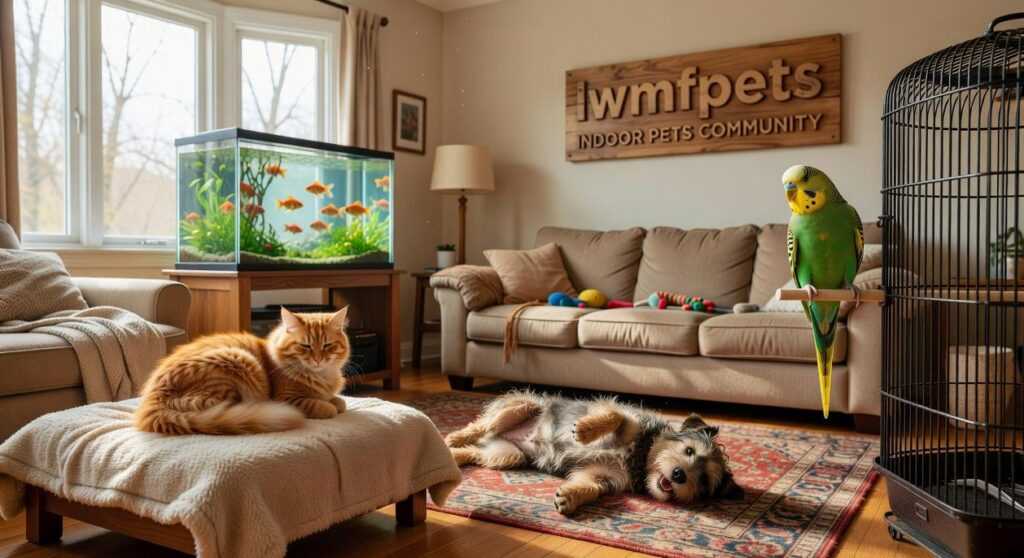

I’ve helped hundreds of families through their first pet adoption, and I can tell you this: the excitement you feel right now is completely normal.
So is the nervousness.
You want to do this right. You want to give a rescue animal the home they deserve. But you’re not sure where to start or what questions you should even be asking.
Here’s the truth: adopting a pet is one of the most rewarding decisions you’ll make. But the process itself? It can feel like a lot.
I created this guide because I’ve seen too many people second-guess themselves or feel lost during those first few weeks. You don’t need that stress.
At lwmfpets, we work directly with shelters and rescue organizations. We see what works and what doesn’t. We know which questions matter and which ones are just noise.
This article walks you through the entire adoption process. You’ll learn how to find a reputable shelter, what to look for in a pet that fits your lifestyle, and how to handle those critical first weeks at home.
No fluff. Just the practical steps that will help you feel confident about your decision and prepared to welcome your new family member.
Why Adopting from a Licensed Organization is the Only Choice
I’ll be blunt about this.
If you’re getting a pet from anywhere other than a licensed organization, you’re making a mistake.
I know some people will say I’m being too harsh. They’ll tell you their friend got a great dog from Craigslist or that backyard breeder down the street seems nice enough.
But here’s what I’ve seen over and over again.
Those “great deals” often come with hidden costs. Vet bills for conditions that should’ve been caught early. Behavioral issues that could’ve been prevented. Sometimes worse.
Licensed organizations answer to someone. They follow legal standards for animal health and safety. When you adopt from Lwmfpets approved sources, you know the animal has been vaccinated, spayed or neutered, and microchipped. These aren’t optional extras. They’re requirements.
Unregulated sellers? They do whatever they want.
The temperament testing alone is worth it. Licensed groups assess each animal’s behavior before adoption. You’ll know if that dog is good with kids or if that cat needs a quiet home.
And here’s something most people don’t think about until it’s too late.
What happens when you need help after adoption? A reputable organization will be there. Training questions, behavioral concerns, even just general advice. They don’t disappear once you sign the papers.
Plus, adoption fights pet overpopulation. Every animal you adopt is one less supporting puppy mills or backyard breeding operations.
It’s really that simple.
The Adoption Process: A Step-by-Step Walkthrough
I’m going to walk you through exactly what happens when you adopt a pet.
No surprises. No confusion about why shelters ask certain questions or want to visit your home.
Because here’s what I see all the time. People get nervous about the adoption process. They think one wrong answer will disqualify them or that home visits mean someone’s judging their furniture choices.
That’s not what’s happening.
Step 1: Research and Discovery
Start by finding licensed organizations near you. Look for their 501(c)(3) status on their website or ask directly. Read reviews from people who’ve adopted there before.
This step saves you time. You’ll know which shelters have good support systems and which ones might leave you hanging after adoption day.
Step 2: The Application
You’ll answer questions about your lifestyle, work schedule, and past pets. They’re not trying to catch you in a lie. They want to match you with an animal that fits your actual life.
Work 60 hours a week? They won’t suggest a high-energy puppy that needs constant attention. Live in a small apartment? They’ll steer you away from dogs that need acres to run.
Step 3: The Meet-and-Greet
Bring your whole family. Bring your current pets if the shelter allows it (many have special introduction areas).
Watch how the animal reacts to everyone. A dog that loves you but growls at your kids isn’t the right fit, no matter how much you want it to work.
Step 4: The Home Visit & Interview
Yes, someone might come to your house. They’re checking for basic safety stuff like secure fencing or whether you have cleaning supplies stored where a curious pet could get into them.
Think of it as free advice. I’ve had home visitors point out things I never considered, like toxic plants I didn’t know were dangerous.
Step 5: Finalizing the Adoption
The adoption fee covers vaccinations, spaying or neutering, and sometimes microchipping. You’re getting hundreds of dollars worth of vet care included.
Read the contract carefully. It usually says you’ll return the pet to them if things don’t work out (not rehome it yourself). Then pick your Gotcha Day and bring your new family member home.
Want more guidance on what happens after you bring your pet home? Check out our complete pet guide lwmfpets from lookwhatmomfound for everything you need to know about those first crucial weeks. To ensure you have all the essential information for those crucial first weeks with your new pet, don’t forget to visit the of our complete pet guide, lwmfpets from lookwhatmomfound.
The First 30 Days: Setting Your New Pet Up for Success

I’m going to be honest with you.
Most people mess up the first month with a new pet because they try too hard.
They want their dog or cat to feel loved immediately. So they invite friends over to meet the new family member. They take them everywhere. They shower them with attention.
And the pet? They’re completely overwhelmed.
Here’s what I do instead. I give them space.
The Decompression Period
Your new pet just left everything they knew. Even if their previous situation wasn’t great, it was familiar. Now they’re in a strange place with strange people and strange smells.
Set up a safe zone for them. A quiet corner with their bed, food bowl, and a few toys. Let them retreat there whenever they need to.
Don’t force interaction. If they want to hide under the couch for two days, let them.
The Rule of Threes
This is something every lwmfpets resource should tell you upfront but many don’t.
Three days to decompress. Three weeks to learn your routine. Three months to feel at home.
I’ve seen this play out with every pet I’ve brought home. On day two, you might think you made a mistake. By week two, you’ll see glimpses of their real personality. By month three, they’ll finally act like themselves.
Don’t judge your pet in the first week. You haven’t met them yet.
Build a Routine Fast
Here’s my take. Predictability is everything.
Feed them at the same times every day. Take them out at the same times. Walk the same route initially. Keep it boring and consistent.
Some trainers say you should mix things up to keep pets engaged. I disagree, at least not in the beginning. A confused pet is an anxious pet.
Once they trust you? Sure, add variety. But earn that trust first through routine.
Get to the Vet Early
Book an appointment within the first two weeks. Not because something’s wrong, but because you need a baseline.
Your vet needs to know what normal looks like for your pet. Plus, you’re building a relationship for when things actually go sideways at 2am on a Sunday (because they always do).
Start Training Immediately
I don’t wait to start training. From day one, I’m rewarding good behavior.
Sit calmly? Treat. Come when called? Treat. Make eye contact? You guessed it.
Positive reinforcement builds your bond faster than anything else. Your pet learns that good things happen when they’re around you.
Skip the punishment. It just teaches them to fear you, and that’s not the relationship you want.
Long-Term Care Essentials for a Thriving Rescue Pet
You brought your rescue pet home. Now what?
Most new pet parents focus on the first few weeks. They get the basics down and think they’re good to go.
But here’s where things get real.
Long-term care is what separates a surviving pet from a thriving one. And I’m not talking about just keeping food in the bowl.
What Your Pet Actually Needs to Eat
The pet food aisle is overwhelming. I know because I stand there with clients all the time at lwmfpets, trying to decode labels that might as well be written in another language.
Here’s what matters. Your pet’s nutritional needs change based on age, breed, and health conditions. A study from the Journal of Animal Science found that dogs fed age-appropriate diets had 23% fewer health complications over their lifetime compared to those on generic formulas.
Some people say expensive food is just marketing. That you’re wasting money on fancy ingredients your pet doesn’t need.
But the research tells a different story. Pets on high-quality diets with named protein sources (like chicken, not “poultry meal”) showed better coat condition, energy levels, and digestive health in a 2019 veterinary nutrition study.
Start with what the shelter told you. Then work with your vet to adjust as your pet settles in.
Preventative care isn’t optional. Annual wellness exams catch problems before they become expensive emergencies. The American Veterinary Medical Association reports that pets with consistent preventative care live an average of 2.5 years longer.
Dental care, flea prevention, heartworm medication. These aren’t extras. They’re the foundation.
Your pet needs mental stimulation just as much as physical exercise. Boredom leads to destruction (and I mean your favorite shoes, your couch, maybe that corner of the wall).
Puzzle feeders, rotating toys, even hiding treats around the house. These small things make a big difference.
Watch your pet’s body language. Pinned ears, tucked tail, excessive panting when it’s not hot. These signal stress. If behaviors persist, a certified behaviorist can help before small issues become big problems. Understanding your pet’s body language is crucial for their well-being, and you can find valuable insights in the “Pet Guide Lwmfpets From Lookwhatmomfound” to help you recognize and address signs of stress before they escalate.
A Lifelong Bond Built on a Strong Foundation
You now have everything you need to adopt a pet the right way.
The process takes time. You’ll fill out applications and answer questions and maybe wait longer than you’d like. But this is how you find the right match.
I’ve seen what happens when people skip these steps. It doesn’t end well for anyone.
Licensed shelters exist for a reason. They vet animals and match them with families who can actually care for them. That’s not bureaucracy. That’s protection for both you and the pet.
When you follow this framework, you’re not just getting a pet. You’re giving a rescue animal the chance to become who they’re meant to be. That takes a stable home and someone who knows what they’re doing.
Here’s what you do next: Find a licensed shelter near you and start browsing their available pets. Read their requirements. Think honestly about what you can handle.
lwmfpets gives you the knowledge to make this work. Now you need to take the first step.
You’re ready to change an animal’s life. More importantly, you’re ready to let them change yours. Pet Tips and Tricks Lwmfpets. Training Pets Lwmfpets.
 Elviana Zolmuth has opinions about pet care tips and advice. Informed ones, backed by real experience — but opinions nonetheless, and they doesn't try to disguise them as neutral observation. They thinks a lot of what gets written about Pet Care Tips and Advice, Training Techniques and Guides, Pet Product Reviews is either too cautious to be useful or too confident to be credible, and they's work tends to sit deliberately in the space between those two failure modes.
Reading Elviana's pieces, you get the sense of someone who has thought about this stuff seriously and arrived at actual conclusions — not just collected a range of perspectives and declined to pick one. That can be uncomfortable when they lands on something you disagree with. It's also why the writing is worth engaging with. Elviana isn't interested in telling people what they want to hear. They is interested in telling them what they actually thinks, with enough reasoning behind it that you can push back if you want to. That kind of intellectual honesty is rarer than it should be.
What Elviana is best at is the moment when a familiar topic reveals something unexpected — when the conventional wisdom turns out to be slightly off, or when a small shift in framing changes everything. They finds those moments consistently, which is why they's work tends to generate real discussion rather than just passive agreement.
Elviana Zolmuth has opinions about pet care tips and advice. Informed ones, backed by real experience — but opinions nonetheless, and they doesn't try to disguise them as neutral observation. They thinks a lot of what gets written about Pet Care Tips and Advice, Training Techniques and Guides, Pet Product Reviews is either too cautious to be useful or too confident to be credible, and they's work tends to sit deliberately in the space between those two failure modes.
Reading Elviana's pieces, you get the sense of someone who has thought about this stuff seriously and arrived at actual conclusions — not just collected a range of perspectives and declined to pick one. That can be uncomfortable when they lands on something you disagree with. It's also why the writing is worth engaging with. Elviana isn't interested in telling people what they want to hear. They is interested in telling them what they actually thinks, with enough reasoning behind it that you can push back if you want to. That kind of intellectual honesty is rarer than it should be.
What Elviana is best at is the moment when a familiar topic reveals something unexpected — when the conventional wisdom turns out to be slightly off, or when a small shift in framing changes everything. They finds those moments consistently, which is why they's work tends to generate real discussion rather than just passive agreement.