
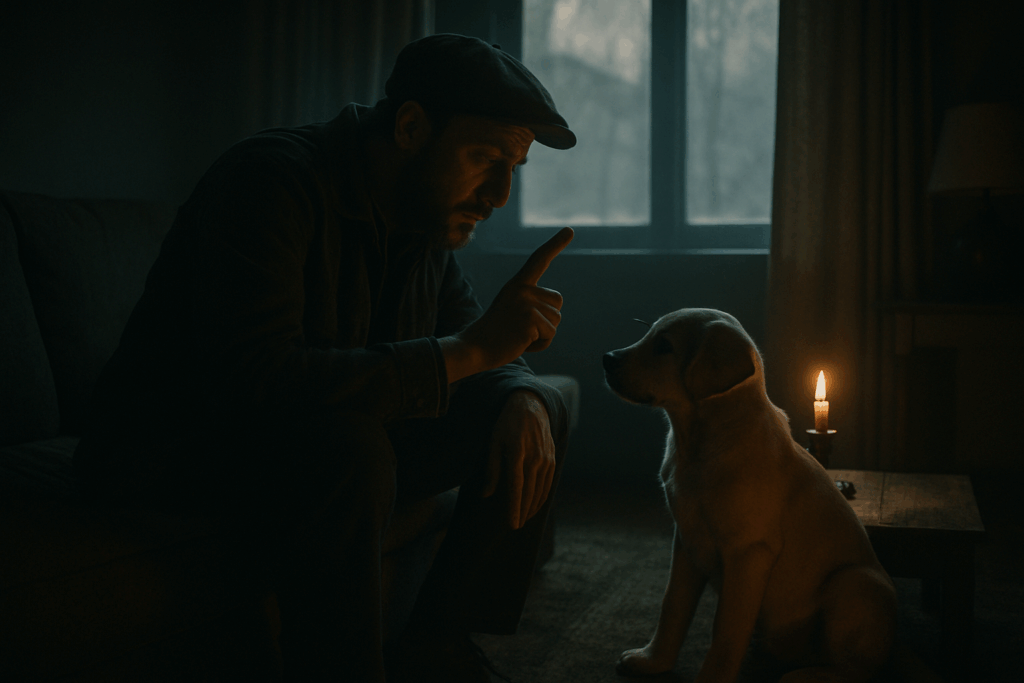
Know When to Start
Housebreaking starts earlier than most think. The sweet spot is between 8 and 12 weeks, right when your puppy starts to develop the mental and physical ability to hold it for more than a few minutes. Waiting too long doesn’t buy you more time it just delays learning.
Watch for signs your pup is ready. Can they go a couple hours without an accident in their crate? Do they return to the same spot after meals or naps? Are they showing basic awareness of their behavior like sniffing or circling before going? These cues mean they’re not just capable they’re primed to start learning where to go and when.
The real key isn’t speed it’s consistency. Rushing the process usually backfires. What works is a rhythm. Same schedule. Same praise. Same reaction every time. That repetition builds trust and habits. And those habits are what keep your floors clean in the long run. Don’t worry about perfect. Just aim for steady.
Set Up a Routine
Puppies thrive on structure. Feed at the same times every day. Take them out for potty breaks immediately after meals, after naps, and after play. Start to learn their patterns and act fast when the signs show. Play sessions should be short but productive, burning off energy without overstimulating. Naps are essential too. Puppies need up to 18 20 hours of sleep a day, and interruption leads to crankiness (and more accidents).
Routines do more than just organize your day they lay the groundwork for trust. Your puppy starts to understand what’s coming next. Predictability makes them feel safe. It builds confidence and reduces anxiety driven behavior, like gnawing everything in sight or peeing in hidden corners.
Nighttime takes extra care. Cut off food and water an hour or two before bed. Do one last potty break before lights out. Some puppies will sleep through; others might need a quick 2 a.m. bathroom trip. Don’t make it a party no chatter, no play. Just out, pee, in, sleep. Stick to the routine, and the results will come faster than you think.
Design the Right Space
Crate training isn’t jail time it’s structure. Think of the crate as your puppy’s bedroom a quiet, cozy place where they can rest, reset, and feel safe. Use a crate that’s big enough for standing and turning around but not so roomy they can use one end as a bathroom. Never use it as punishment. That turns the crate into a stress zone. Instead, make it inviting. Soft bedding, a chew toy, maybe a piece of your clothing for comfort.
When you leave the house, the crate becomes your backup. It keeps your pup from wandering into trouble and helps stick to housebreaking goals. But don’t vanish for hours. Puppies have limits, both physically and emotionally. Most can handle short alone times. Anything beyond a few hours? Make arrangements a dog walker, a friend, or a safe pen with pee pads and water.
Your space matters too. Pick one or two puppy friendly zones to start, and block access to the rest. Too much freedom too early = confusion and accidents. Use baby gates. Keep shoes, cords, and rugs out of reach. Every consistent boundary you set now saves frustration later. It’s all about clear, calm guidance from day one.
Monitor and Reinforce
Housebreaking isn’t just about watching the clock it’s about watching your puppy. The key to success is learning to spot the signs before an accident happens. Most pups will show clear cues like sniffing around in circles, pacing back and forth, or suddenly whining. These signals often come right after eating, drinking, playing, or napping. When you see them, act fast. Calmly lead your puppy to the designated potty spot. Timing here matters more than words.
When they do their business in the right place, make it a moment. Use treats, yes but don’t delay. Praise immediately. You’ve got a three second window to link action with reward. Keep your voice upbeat, but don’t overdo it. The goal is association, not a party.
Mistakes will happen. Don’t scold. Don’t rub noses. That just teaches fear. Instead, clean up discreetly with an enzymatic cleaner to erase scent markers. If you catch them mid accident, a simple, sharp “outside” cue can interrupt the act then guide them directly to the right spot. Reward if they finish there. No drama, no guilt trips. Just forward momentum.
Gradual Freedom, Not All at Once
Once your puppy is nailing the basics holding their bladder between scheduled breaks, signaling when they need to go it can be tempting to give them full run of the house. Don’t. Expanding their access should be slow, methodical, and based on progress, not hope.
Start by opening access to just one new room. Supervise closely. Keep potty breaks on track. If there are no incidents after a few days, you can add another area. Use baby gates or closed doors to manage boundaries. Freedom is earned, not handed out.
Watch out for regression zones. Rugs are common targets, especially if they resemble grass textures. Corners feel private to puppies, so they might test boundaries there. Under or behind furniture? Another go to spot. Keep these areas clean, monitored, and off limits if accidents happen.
Growth spurts can throw things off. As your pup matures physically and behaviorally, they may hit rough patches forget cues, push limits, or have the occasional accident. That’s normal. Don’t scold. Go back a step. Reinforce the routine. Keep praise high, expectations consistent.
Freedom should match readiness. No shortcuts.
Troubleshooting Common Hurdles
Even with consistency and structure, housebreaking doesn’t always go perfectly and that’s completely normal. Understanding what’s typical and how to respond when things aren’t going as planned is key to long term success.
How Long Should Housebreaking Take?
Every puppy is different, but most are reliably housebroken within 4 to 6 months. Some may catch on earlier, while others need a bit more time depending on factors like breed, age, environment, and previous training experience.
Typical timelines:
8 12 weeks: Beginning stages; frequent accidents expected, supervision is critical
3 4 months: Starting to understand routine; accidents decrease with consistency
5 6 months: Many puppies are mostly reliable, though occasional mistakes happen
Remember, early progress doesn’t guarantee perfection. Stay patient and continue the routine.
What If Accidents Continue?
If your puppy is still having frequent accidents after several months, don’t panic it may just mean a few adjustments are needed.
Try the following:
Revisit your routine: Ensure feeding, play, and potty schedules are consistent
Supervise more closely: Use gates or a leash to prevent sneaky accidents
Go back a step: If needed, limit freedom and reinforce crate or space training
Watch for patterns: Note when accidents happen does it involve a certain time, place, or trigger?
Avoid punishment. Instead, clean up thoroughly with enzymatic cleaners and refocus on teaching.
When to Get Professional Help
In some cases, persistent housebreaking issues may point to a medical or behavioral concern.
It’s time to consult a vet or trainer if:
Accidents suddenly increase after steady progress
Your puppy has diarrhea, excessive urination, or signs of pain
You’ve tried consistent training for months with little improvement
You suspect anxiety or fear may be at play
Professional input can rule out health conditions and provide a tailored training strategy.
Housebreaking takes time and patience but the payoff is a reliable companion and a clean home. Stay positive, stay consistent, and don’t hesitate to ask for help when needed.
Trust the Process
Housebreaking a puppy isn’t a straight line. Some days will feel like progress, others might test your patience. That’s normal. Expect accidents, setbacks, or even backtracking after a solid streak. The key is not to panic or punish instead, stay calm and go back to basics when needed.
Celebrate small wins. Every successful potty trip, every day without an accident, every moment your pup sits by the door instead of the rug those are building blocks. Your positive reactions teach them what success looks like.
More than just a clean floor, this process sets the tone for your relationship. Trust doesn’t come from perfection. It comes from repetition, calm correction, and mutual understanding. Stick with it, stay consistent, and you’ll raise not just a well trained pup but a confident one, too.
Check out this in depth puppy training resource for additional tips and tools.
 Elviana Zolmuth has opinions about pet care tips and advice. Informed ones, backed by real experience — but opinions nonetheless, and they doesn't try to disguise them as neutral observation. They thinks a lot of what gets written about Pet Care Tips and Advice, Training Techniques and Guides, Pet Product Reviews is either too cautious to be useful or too confident to be credible, and they's work tends to sit deliberately in the space between those two failure modes.
Reading Elviana's pieces, you get the sense of someone who has thought about this stuff seriously and arrived at actual conclusions — not just collected a range of perspectives and declined to pick one. That can be uncomfortable when they lands on something you disagree with. It's also why the writing is worth engaging with. Elviana isn't interested in telling people what they want to hear. They is interested in telling them what they actually thinks, with enough reasoning behind it that you can push back if you want to. That kind of intellectual honesty is rarer than it should be.
What Elviana is best at is the moment when a familiar topic reveals something unexpected — when the conventional wisdom turns out to be slightly off, or when a small shift in framing changes everything. They finds those moments consistently, which is why they's work tends to generate real discussion rather than just passive agreement.
Elviana Zolmuth has opinions about pet care tips and advice. Informed ones, backed by real experience — but opinions nonetheless, and they doesn't try to disguise them as neutral observation. They thinks a lot of what gets written about Pet Care Tips and Advice, Training Techniques and Guides, Pet Product Reviews is either too cautious to be useful or too confident to be credible, and they's work tends to sit deliberately in the space between those two failure modes.
Reading Elviana's pieces, you get the sense of someone who has thought about this stuff seriously and arrived at actual conclusions — not just collected a range of perspectives and declined to pick one. That can be uncomfortable when they lands on something you disagree with. It's also why the writing is worth engaging with. Elviana isn't interested in telling people what they want to hear. They is interested in telling them what they actually thinks, with enough reasoning behind it that you can push back if you want to. That kind of intellectual honesty is rarer than it should be.
What Elviana is best at is the moment when a familiar topic reveals something unexpected — when the conventional wisdom turns out to be slightly off, or when a small shift in framing changes everything. They finds those moments consistently, which is why they's work tends to generate real discussion rather than just passive agreement.